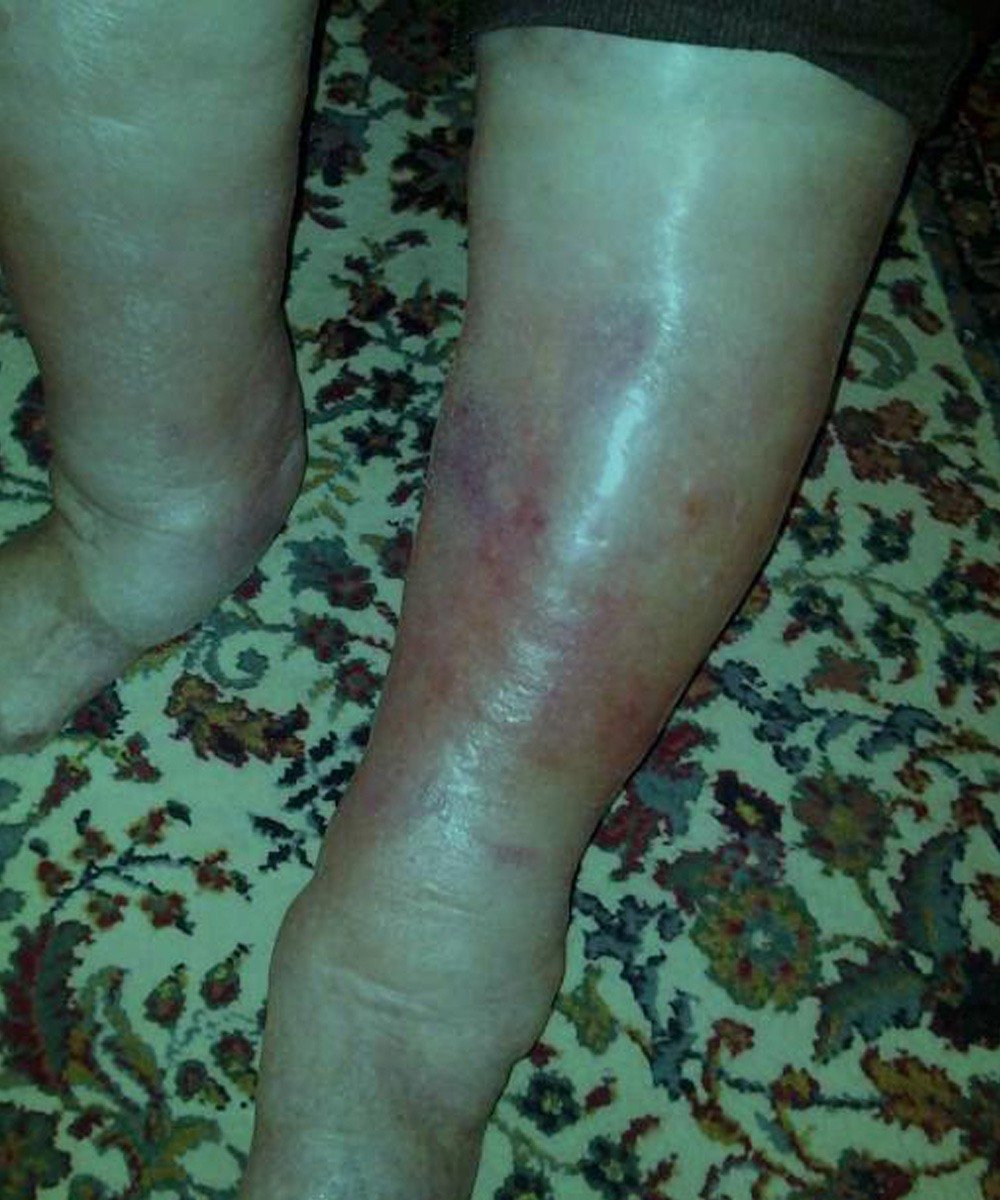
Erysipelas is a common but potentially serious bacterial skin infection that requires timely medical care. Although it usually responds well to antibiotics, recognizing the symptoms early is important to prevent complications.
The condition affects the upper layers of the skin and the lymphatic system. It is most often caused by group A Streptococcus, the same bacteria responsible for illnesses like strep throat. What distinguishes erysipelas from cellulitis is its appearance: it typically presents as a bright red, swollen area with sharply defined, slightly raised edges.
Erysipelas most frequently appears on the lower legs but can also develop on the face, especially the cheeks and nose. Facial cases may spread more rapidly and can cause significant swelling in a short period of time.
Symptoms tend to develop quickly. Common signs include sudden redness, warmth, swelling, and tenderness in the affected area. The rash usually has clear, well-defined borders. Systemic symptoms such as fever, chills, and general fatigue often accompany the skin changes.
The infection occurs when bacteria enter the skin through a break, even one too small to notice. Cuts, insect bites, surgical wounds, and skin conditions such as eczema or athlete’s foot can all serve as entry points. Once inside, the bacteria spread through the lymphatic vessels, leading to rapid inflammation.
Several factors increase the risk of developing erysipelas, including lymphedema, chronic skin disorders, diabetes, obesity, weakened immune function, and previous episodes of the infection. People with recurring cases often have underlying issues affecting skin integrity or circulation.
Diagnosis is typically made based on appearance and symptoms. Treatment commonly includes oral or intravenous antibiotics, depending on severity, along with pain relief, limb elevation when relevant, hydration, and rest. Most patients experience improvement within a few days, but completing the full antibiotic course is crucial.
Early treatment is essential because untreated erysipelas can lead to complications such as abscesses, deeper tissue infection, bloodstream infection, and repeated episodes over time.
Website Disclaimer
The information provided on this website is for general informational and educational purposes only. While we strive to ensure that all content is accurate and up to date, we make no guarantees regarding the completeness, reliability, or accuracy of any information published.
The views and opinions expressed in articles belong to their respective authors and do not necessarily reflect the views of this website. Any action you take based on the information found on this website is strictly at your own risk. We will not be liable for any losses, damages, or inconveniences arising from the use of our content.
Some articles may contain opinions, third-party information, or external links. We do not endorse or guarantee the accuracy of content on external websites and are not responsible for their practices or policies.
All content on this website is provided in good faith and is intended for informational purposes only. Readers are encouraged to verify information independently and seek professional advice where appropriate.