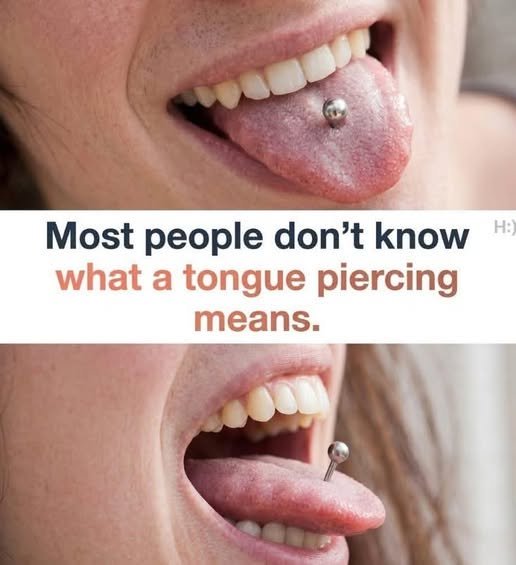
Tongue piercings have a long history that extends far beyond modern fashion, rooted in ritual, spirituality, and cultural identity. In ancient societies like the Maya civilization and Aztec civilization, body modification held deep symbolic meaning.
In these cultures, tongue piercing was sometimes part of sacred ceremonies. Blood was viewed as a powerful offering, and controlled pain was believed to connect humans with the divine.
The tongue’s role in speech gave it special importance. Piercing it symbolized offering one’s voice, identity, and communication to higher powers.
These rituals required preparation and were performed in structured settings. Participants were often respected individuals, and the act reflected devotion, discipline, and spiritual commitment.
Over time, such practices declined due to cultural shifts, religious changes, and colonial influence. Body piercing did not disappear but became less visible in mainstream society.
In the twentieth century, body modification re-emerged with new meaning. It became linked to individuality, self-expression, and personal freedom rather than collective spiritual practice.
By the late twentieth century, tongue piercings gained popularity in alternative subcultures. They symbolized identity and independence, supported by safer techniques and growing social acceptance.
Today, tongue piercings are chosen for many personal reasons, from aesthetics to self-expression. They reflect how body modification has evolved, blending historical roots with modern identity and choice.
Website Disclaimer
The information provided on this website is for general informational and educational purposes only. While we strive to ensure that all content is accurate and up to date, we make no guarantees regarding the completeness, reliability, or accuracy of any information published.
The views and opinions expressed in articles belong to their respective authors and do not necessarily reflect the views of this website. Any action you take based on the information found on this website is strictly at your own risk. We will not be liable for any losses, damages, or inconveniences arising from the use of our content.
Some articles may contain opinions, third-party information, or external links. We do not endorse or guarantee the accuracy of content on external websites and are not responsible for their practices or policies.
All content on this website is provided in good faith and is intended for informational purposes only. Readers are encouraged to verify information independently and seek professional advice where appropriate.