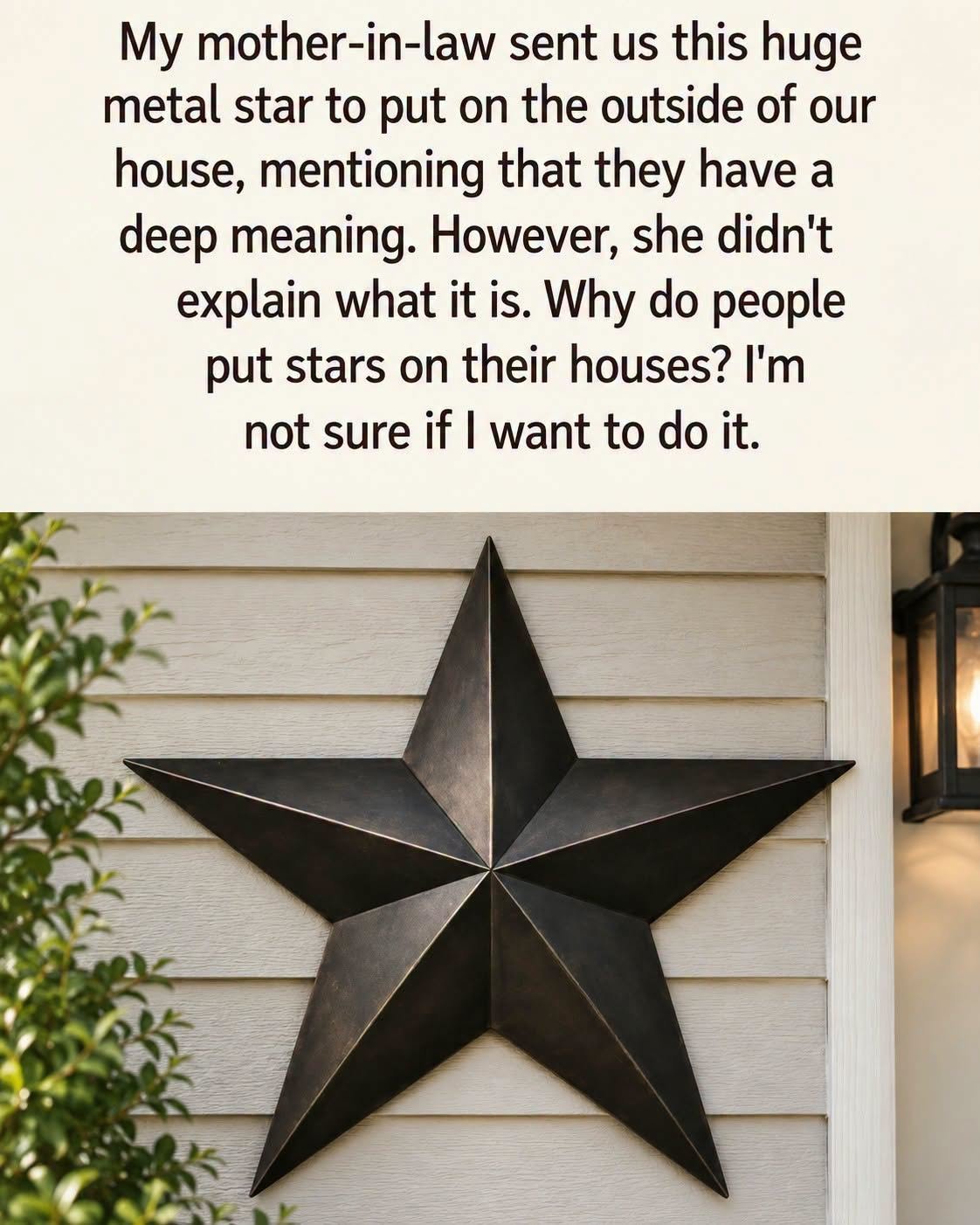
The Meaning Behind Barn Stars
Barn stars, often displayed above barn doors, are more than just rustic decorations. Whether painted on wood or made from metal, they carry cultural and historical significance, particularly among German-American farmers. In some cases, they are replaced by hex signs or quilt blocks, but their purpose extends beyond simple ornamentation.
The Origin of Barn Stars
Barn stars trace back to the Pennsylvania Dutch, German immigrants who settled in Pennsylvania during the 17th and 18th centuries. These settlers introduced many traditions, including the use of barn stars to decorate and symbolize their farms.
Good Luck and Protection
Traditionally, barn stars were seen as talismans. Farmers believed they could ward off evil spirits, safeguard livestock, and bring prosperity. They were a way to secure both spiritual and practical well-being.
Pride and Craftsmanship
Beyond superstition, barn stars reflected pride in one’s farm. A well-adorned barn showed dedication, skill, and the farmer’s connection to the land and livelihood.
Spiritual and Mystical Beliefs
Some barn stars carried deeper symbolism through colors and patterns. Like hex signs, they were thought to channel cosmic energy for protection, fertility, or harmony, blending artistry with mysticism.
Family Legacy
In some traditions, barn stars represented family heritage. Their placement or design could reflect accomplishments, history, or identity tied to a farming family’s legacy.
Variations: Hex Signs and Quilt Blocks
Hex signs feature circular, geometric designs meant to attract blessings such as love or abundance. Quilt blocks, resembling fabric patterns, symbolize unity, creativity, and family tradition.
Modern-Day Significance
Today, barn stars have largely shed their mystical role. They remain popular in rural and suburban settings, valued for their rustic charm and as a tribute to agricultural heritage.
A Living Tradition
Though their meanings have shifted, barn stars continue to connect us with the past. Whether seen as good luck or simply as decoration, they endure as reminders of the values and traditions brought by early farmers.
Website Disclaimer
The information provided on this website is for general informational and educational purposes only. While we strive to ensure that all content is accurate and up to date, we make no guarantees regarding the completeness, reliability, or accuracy of any information published.
The views and opinions expressed in articles belong to their respective authors and do not necessarily reflect the views of this website. Any action you take based on the information found on this website is strictly at your own risk. We will not be liable for any losses, damages, or inconveniences arising from the use of our content.
Some articles may contain opinions, third-party information, or external links. We do not endorse or guarantee the accuracy of content on external websites and are not responsible for their practices or policies.
All content on this website is provided in good faith and is intended for informational purposes only. Readers are encouraged to verify information independently and seek professional advice where appropriate.