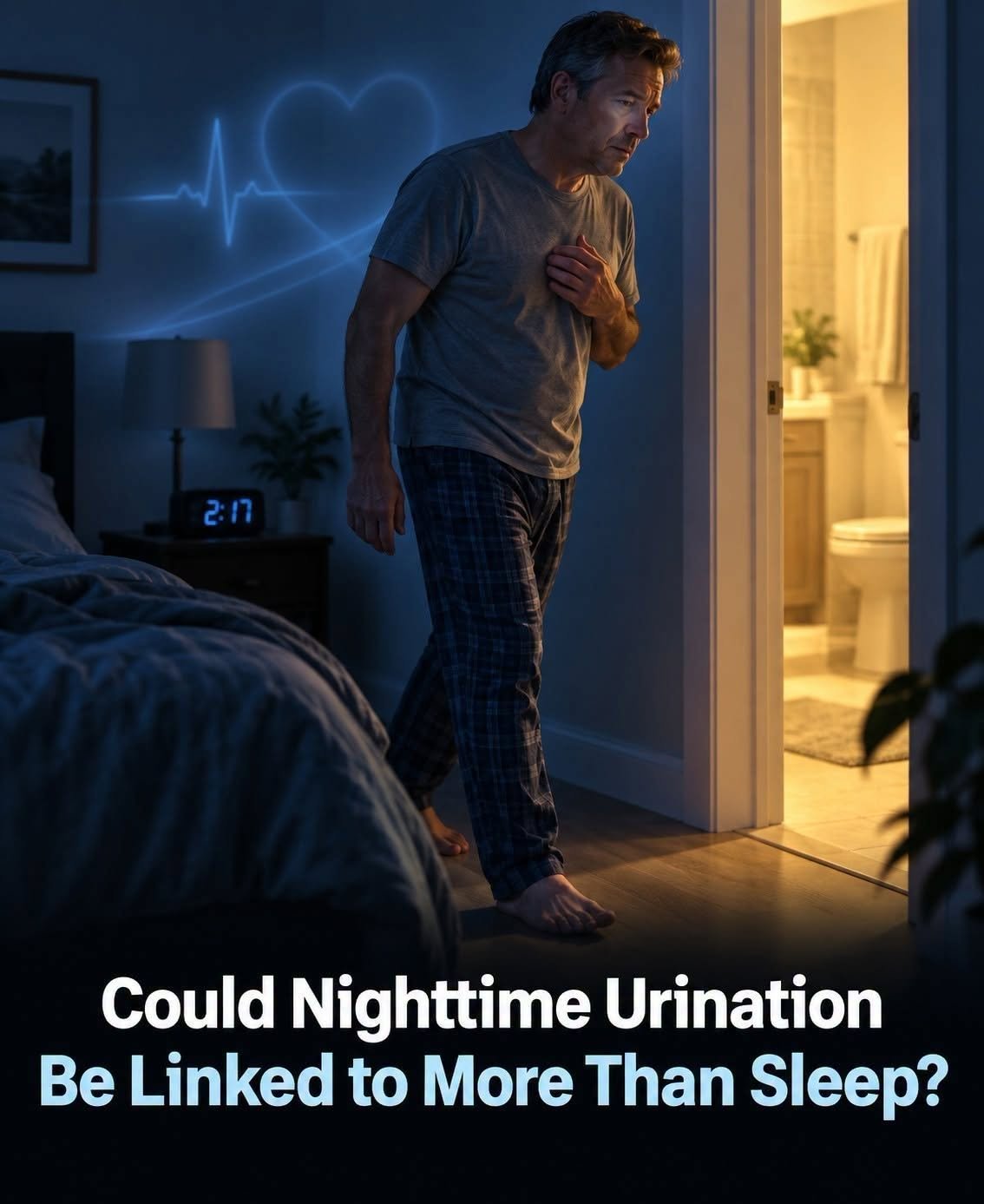
Waking up several times during the night to urinate can seriously disrupt your sleep and leave you feeling tired the next day. While occasional nighttime bathroom visits are normal, frequent interruptions may indicate a condition known as nocturia.
Nocturia is typically defined as waking more than twice during the night to urinate. Although it becomes more common with age, it can affect people of all ages depending on lifestyle and health factors.
One of the main reasons this happens is a natural change in the body over time. As people get older, the body produces less of the hormone that helps retain fluids, leading to increased urine production at night.
Other common causes include drinking too much liquid before bed, especially caffeine or alcohol, as well as urinary tract infections or medications that increase urine output. Pregnancy can also play a role due to pressure on the bladder.
In some cases, nighttime urination may signal an underlying health issue. Conditions like diabetes, kidney problems, heart disease, or sleep disorders can all contribute to this symptom.
The main sign is waking multiple times at night with the urge to urinate, sometimes even when only small amounts are produced. This repeated interruption often leads to poor-quality sleep and fatigue.
Doctors usually diagnose the issue by asking about habits and symptoms, along with tests such as urine analysis or blood work to identify possible causes and rule out serious conditions.
Treatment depends on the cause. Simple changes like reducing evening fluid intake or adjusting daily habits may help, while in other cases medications or further medical care may be necessary to manage the condition effectively.
Website Disclaimer
The information provided on this website is for general informational and educational purposes only. While we strive to ensure that all content is accurate and up to date, we make no guarantees regarding the completeness, reliability, or accuracy of any information published.
The views and opinions expressed in articles belong to their respective authors and do not necessarily reflect the views of this website. Any action you take based on the information found on this website is strictly at your own risk. We will not be liable for any losses, damages, or inconveniences arising from the use of our content.
Some articles may contain opinions, third-party information, or external links. We do not endorse or guarantee the accuracy of content on external websites and are not responsible for their practices or policies.
All content on this website is provided in good faith and is intended for informational purposes only. Readers are encouraged to verify information independently and seek professional advice where appropriate.