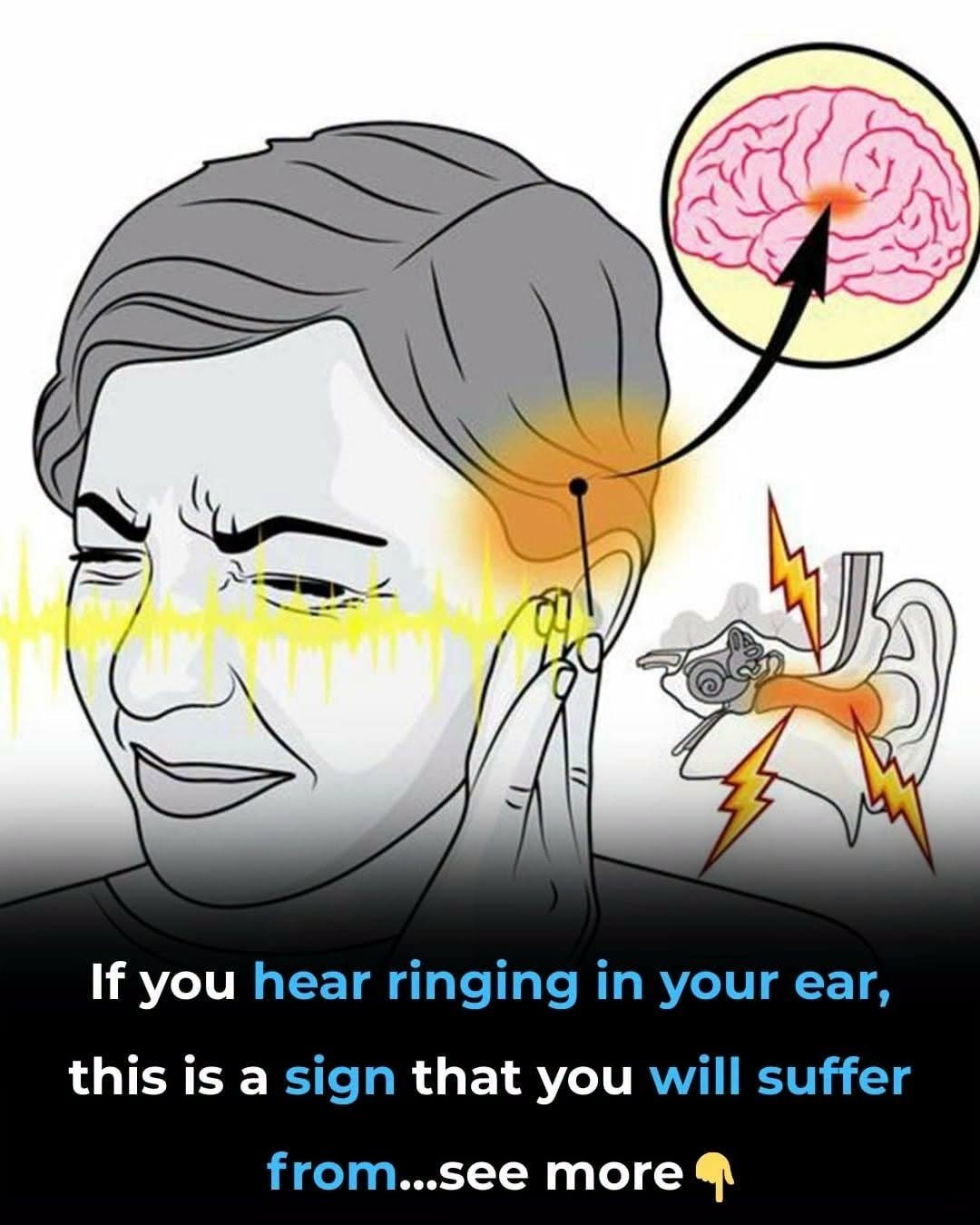
🧠 What Is Tinnitus?
Tinnitus is the perception of sound—such as ringing, buzzing, hissing, clicking, humming, or even whooshing—in one or both ears or inside your head when there is no corresponding external sound.
For some people, it comes and goes. For others, it can be constant and may become more noticeable at bedtime or in quiet environments.
Tinnitus can sound different from person to person. Some people describe a high-pitched ringing, while others hear a low hum, static-like noise, or rhythmic pulsing.
🔊 What Causes Tinnitus?
Tinnitus can have many possible causes, and sometimes no single cause can be identified.
Common associations include:
- Hearing loss: Age-related or noise-related hearing changes can affect how the brain processes sound.
- Loud-noise exposure: Concerts, machinery, headphones, firearms, and other loud environments can temporarily or permanently affect hearing.
- Earwax buildup: A blocked ear canal can sometimes contribute to tinnitus.
- Ear infections or other ear problems: Conditions affecting the middle or inner ear may produce ringing or other sounds.
- Certain medications: Some medicines can cause or worsen tinnitus as a side effect.
- Stress and poor sleep: These don’t necessarily cause tinnitus, but they can make the sensation more noticeable or harder to tolerate.
- Jaw problems: Issues involving the jaw joint or teeth grinding can sometimes be associated with tinnitus.
Because there are many possible explanations, persistent tinnitus shouldn’t automatically be blamed on stress or assumed to be harmless.
👂 When Should You See a Doctor?
Occasional, brief ringing isn’t necessarily a reason to panic. However, it’s worth talking with a healthcare professional if tinnitus is persistent, bothersome, getting worse, or affecting your sleep, concentration, hearing, or daily life.
You should seek prompt medical attention if the sound:
- Suddenly appears along with hearing loss
- Occurs after a head injury
- Is strongly pulsating in time with your heartbeat
- Happens mainly in one ear and persists
- Is accompanied by significant dizziness, weakness, severe headache, or other concerning neurological symptoms
Sudden hearing loss in particular can require urgent evaluation, so it shouldn’t simply be attributed to ordinary tinnitus.
🩺 How Is Tinnitus Evaluated?
A healthcare professional may examine your ears, review your medications and medical history, and ask about your hearing and exposure to loud sounds.
A hearing test may also be recommended.
The goal isn’t simply to “find the ringing.” It’s to determine whether there is an underlying condition that can be treated.
Sometimes the cause is relatively straightforward, such as impacted earwax. In other cases, tinnitus may be associated with hearing loss or another condition requiring further evaluation.
🌙 What Can Help?
There isn’t one universal treatment that makes tinnitus disappear for everyone. Management depends largely on the underlying cause and how much the tinnitus affects you.
Some people find it helpful to:
- Protect their ears from excessively loud sounds.
- Keep a consistent sleep schedule.
- Use gentle background sound, such as a fan, white-noise machine, or quiet music, especially in very silent environments.
- Manage stress through relaxation techniques, exercise, or other healthy routines.
- Have hearing loss properly evaluated if it is present.
- Avoid repeatedly checking whether the sound is still there, since constantly focusing on it can make it seem more prominent.
If tinnitus is significantly affecting your quality of life, a healthcare professional can discuss additional approaches, including hearing aids when hearing loss is present and therapies designed to reduce the distress associated with tinnitus.
🧠 Why Does Silence Make It Seem Louder?
One reason tinnitus can feel particularly noticeable at night is that there are fewer outside sounds competing for your attention.
During the day, conversations, traffic, appliances, music, and other noises may naturally mask some of the perception. When the room becomes completely quiet, your attention may shift toward the internal sound.
That doesn’t necessarily mean the tinnitus itself has suddenly become stronger.
❤️ The Important Takeaway
Tinnitus is real, but it doesn’t automatically mean something dangerous is happening.
It is a symptom with many possible causes, ranging from temporary ear problems and noise exposure to hearing changes and other medical conditions. Understanding the pattern of the sound—and noticing whether it comes with hearing loss or other symptoms—can help determine what to do next.
And if that mysterious ringing keeps returning, don’t simply suffer through it in silence.
Listen to your body, protect your hearing, and talk with a healthcare professional if the symptoms persist or concern you.
Sometimes the most reassuring answer isn’t making the sound disappear immediately.
It’s finally understanding why you’re hearing it.
Website Disclaimer
The information provided on this website is for general informational and educational purposes only. While we strive to ensure that all content is accurate and up to date, we make no guarantees regarding the completeness, reliability, or accuracy of any information published.
The views and opinions expressed in articles belong to their respective authors and do not necessarily reflect the views of this website. Any action you take based on the information found on this website is strictly at your own risk. We will not be liable for any losses, damages, or inconveniences arising from the use of our content.
Some articles may contain opinions, third-party information, or external links. We do not endorse or guarantee the accuracy of content on external websites and are not responsible for their practices or policies.
All content on this website is provided in good faith and is intended for informational purposes only. Readers are encouraged to verify information independently and seek professional advice where appropriate.