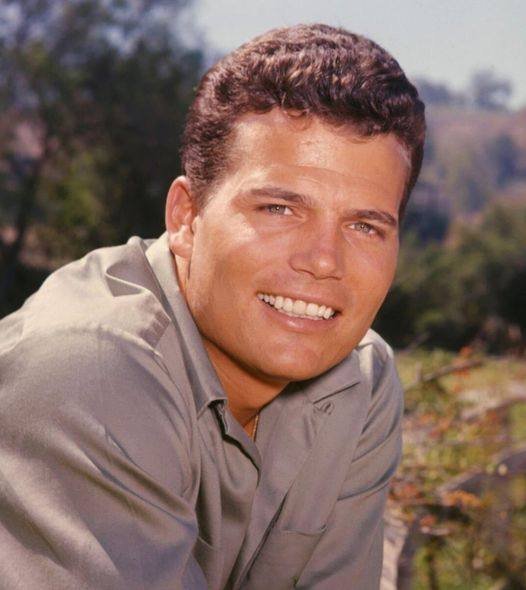
Growing up as the son of John Wayne meant living beneath a shadow that stretched across Hollywood itself. For Patrick John Wayne, fame was not something he chased—it surrounded him before he ever understood what it meant. From film sets to studio backlots, he witnessed the machinery of stardom up close, but he also learned early that a famous last name could be as heavy as it was helpful. Doors might open more easily, but staying inside the room required something far more difficult: discipline, humility, and the willingness to be judged on merit alone. Patrick understood that if he wanted a lasting career, he would have to earn it scene by scene, without leaning on the legend that came before him.
His early roles were modest, often placing him alongside seasoned actors who treated the craft with seriousness and respect. Instead of rushing toward leading-man status, Patrick chose patience. He observed, listened, and absorbed lessons that could not be taught in acting classes alone—how timing shaped emotion, how restraint could speak louder than bravado, and how authenticity mattered more than applause. Each performance became an exercise in growth, allowing him to refine his presence while discovering his own rhythm on screen. Slowly, audiences began to notice something important: he was not imitating his father, nor trying to escape him—he was simply becoming himself.
Television offered Patrick a broader canvas, giving him the freedom to explore different genres and tones. From adventure-driven stories to dramatic roles that demanded quiet strength, he brought a grounded sincerity that felt natural rather than performative. There was no need for grand gestures or borrowed swagger. His work carried a steady confidence, one built on preparation and respect for the story being told. Industry professionals came to see him as dependable and professional, a performer who showed up prepared and left ego at the door. That reputation mattered more to him than headlines or comparisons.
By the time Patrick John Wayne became widely recognized for films like Sinbad and the Eye of the Tiger and The People That Time Forgot, he had already achieved what he valued most: independence. His career stood as proof that legacy does not have to define destiny. He honored his heritage not by copying it, but by forging something quieter, steadier, and deeply personal. In an industry obsessed with names, Patrick John Wayne built his place through persistence, craftsmanship, and the courage to let his work speak for itself.
Website Disclaimer
The information provided on this website is for general informational and educational purposes only. While we strive to ensure that all content is accurate and up to date, we make no guarantees regarding the completeness, reliability, or accuracy of any information published.
The views and opinions expressed in articles belong to their respective authors and do not necessarily reflect the views of this website. Any action you take based on the information found on this website is strictly at your own risk. We will not be liable for any losses, damages, or inconveniences arising from the use of our content.
Some articles may contain opinions, third-party information, or external links. We do not endorse or guarantee the accuracy of content on external websites and are not responsible for their practices or policies.
All content on this website is provided in good faith and is intended for informational purposes only. Readers are encouraged to verify information independently and seek professional advice where appropriate.