Have you ever gone to bed early, slept through the night, and still woken up feeling completely exhausted? It’s a frustrating experience that many people know all too well. When fatigue lingers day after day, it’s easy to blame a busy schedule, stress, or a lack of quality sleep. While those factors can certainly play a role, there may be another explanation that often goes unnoticed: low Vitamin B12 levels. This essential nutrient helps the body produce healthy red blood cells and supports the transport of oxygen throughout the body. When Vitamin B12 levels begin to drop, energy production can suffer, leaving you feeling drained even after getting plenty of rest. Understanding this possibility can help you recognize important signals your body may be sending.
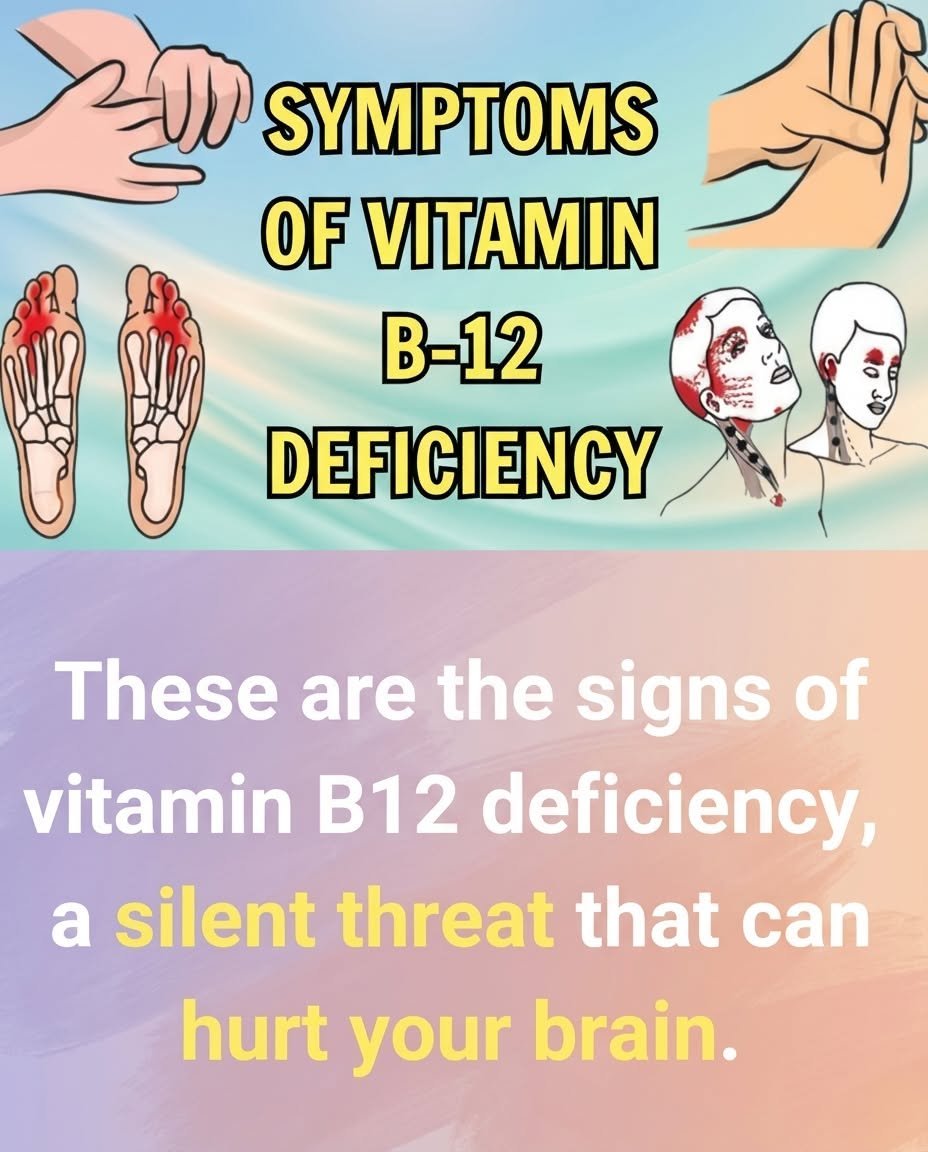
One of the reasons low Vitamin B12 can be difficult to identify is that its symptoms often develop gradually. In addition to persistent tiredness, some people notice unusual sensations in their hands or feet, often described as tingling, numbness, or “pins and needles.” This happens because Vitamin B12 plays an important role in maintaining healthy nerve function. Changes in appearance may also occur over time. Some individuals notice that they look paler than usual, while others develop a slight yellowish tint to their skin. These changes can be subtle, making them easy to overlook, but they may provide valuable clues that something is out of balance.
Vitamin B12 also supports brain health, which means low levels can sometimes affect the way a person thinks, feels, and concentrates. Everyday tasks that once seemed simple may suddenly require more effort. You might find yourself forgetting details more often, struggling to stay focused, or feeling mentally foggy throughout the day. Mood changes can also appear, including increased irritability, lack of motivation, or feeling less emotionally balanced than usual. Of course, these symptoms can have many causes, but Vitamin B12 is one important factor that contributes to mental clarity and overall cognitive well-being. When levels are adequate, many people find it easier to stay alert, focused, and productive.
Other signs of low Vitamin B12 may include shortness of breath during routine activities, feeling light-headed when standing up, or experiencing a sore or sensitive tongue. In some cases, balance and coordination may also feel slightly different than normal. While these symptoms do not automatically mean someone has a deficiency, experiencing several of them together may be worth discussing with a healthcare professional. A simple evaluation and appropriate testing can often provide answers. Maintaining healthy Vitamin B12 levels through a balanced diet, professional guidance, or supplements when recommended can help support long-term energy, mental sharpness, and overall well-being. Sometimes, the reason behind ongoing fatigue isn’t a lack of sleep at all—it may simply be your body asking for the nutrients it needs to function at its best.
Website Disclaimer
The information provided on this website is for general informational and educational purposes only. While we strive to ensure that all content is accurate and up to date, we make no guarantees regarding the completeness, reliability, or accuracy of any information published.
The views and opinions expressed in articles belong to their respective authors and do not necessarily reflect the views of this website. Any action you take based on the information found on this website is strictly at your own risk. We will not be liable for any losses, damages, or inconveniences arising from the use of our content.
Some articles may contain opinions, third-party information, or external links. We do not endorse or guarantee the accuracy of content on external websites and are not responsible for their practices or policies.
All content on this website is provided in good faith and is intended for informational purposes only. Readers are encouraged to verify information independently and seek professional advice where appropriate.