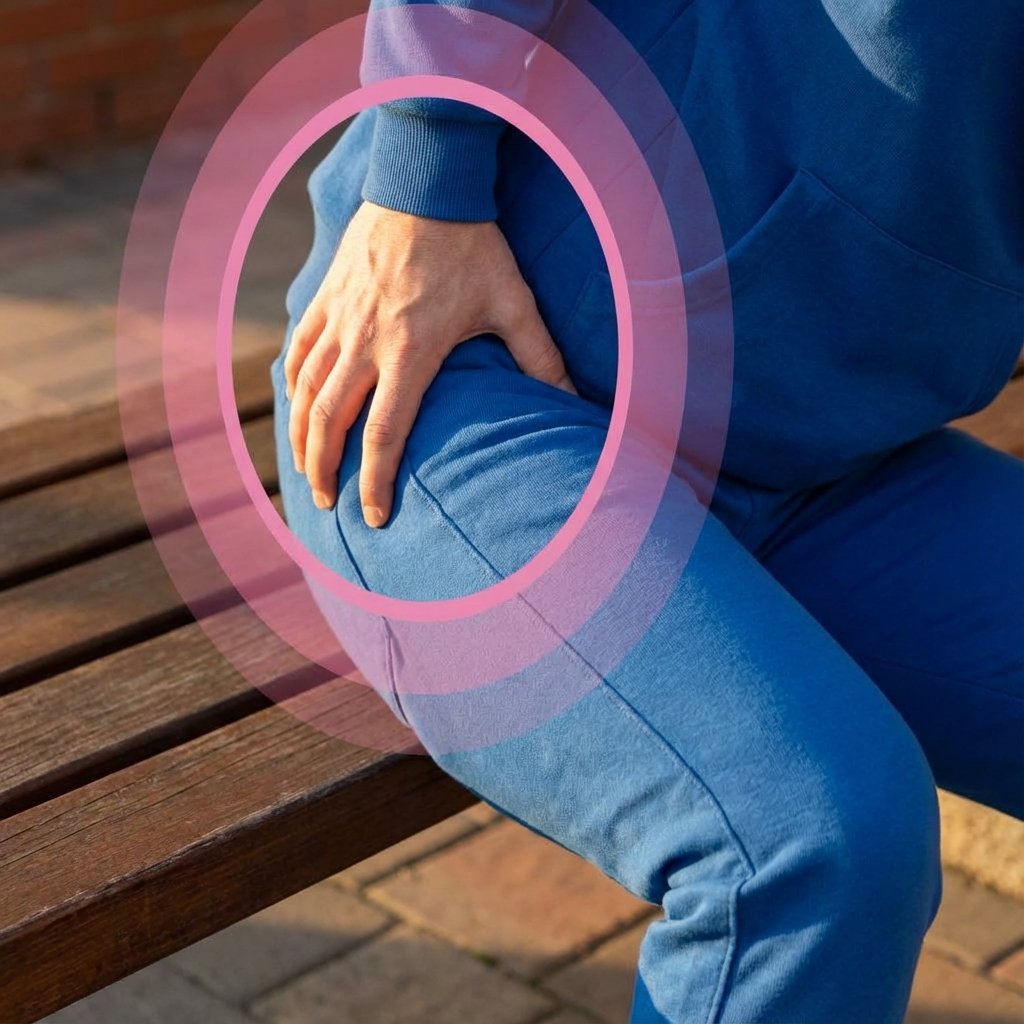
A quiet click, an unexpected pop, or a grinding sensation in the hip can be easy to dismiss—especially if it doesn’t hurt right away. Many people brush these signs off as temporary or age-related, assuming they’ll fade on their own. But the hip plays a central role in nearly every movement we make, from standing and walking to bending and sitting. When unusual sensations begin to appear regularly, they may be early signals that the joint isn’t gliding as smoothly as it should, gradually increasing stress on nearby muscles, tendons, and connective tissue.
When these changes persist or are accompanied by stiffness, limited mobility, or ongoing discomfort, it’s worth paying closer attention. Hip concerns can affect people at any stage of life and may stem from past injuries, repetitive motions, long hours of sitting, or physical activities that place repeated strain on the joint. Muscle imbalances and reduced joint stability can also alter movement patterns over time. Healthcare professionals are trained to evaluate these symptoms, often starting with a physical assessment and, if needed, using imaging tools to better understand what’s happening inside the joint.
Taking action early can make a meaningful difference in managing discomfort and preserving mobility. Daily habits strongly influence hip health, including posture, movement choices, and overall activity levels. Body weight affects how much pressure the joint must absorb, while supportive footwear and balanced movement can help reduce unnecessary strain. Simple adjustments—such as standing up regularly during long periods of sitting, varying movement throughout the day, or being mindful of how you lift and turn—can support healthier joint function over time.
Staying active remains one of the most effective ways to support hip comfort, even when mild symptoms are present. Low-impact activities like walking, swimming, or cycling encourage movement without placing excessive stress on the joint. Strengthening surrounding muscles, including the core and upper legs, can improve stability, while gentle stretching helps maintain flexibility and ease tension. By listening to early warning signs and making thoughtful lifestyle adjustments, individuals can protect their hip health and maintain confidence in everyday movement for years to come.
Website Disclaimer
The information provided on this website is for general informational and educational purposes only. While we strive to ensure that all content is accurate and up to date, we make no guarantees regarding the completeness, reliability, or accuracy of any information published.
The views and opinions expressed in articles belong to their respective authors and do not necessarily reflect the views of this website. Any action you take based on the information found on this website is strictly at your own risk. We will not be liable for any losses, damages, or inconveniences arising from the use of our content.
Some articles may contain opinions, third-party information, or external links. We do not endorse or guarantee the accuracy of content on external websites and are not responsible for their practices or policies.
All content on this website is provided in good faith and is intended for informational purposes only. Readers are encouraged to verify information independently and seek professional advice where appropriate.