Air travel blends excitement with stress, from planning routes to navigating crowded airports. Even experienced travelers juggle schedules, documents, and strict rules, making the process mentally demanding from start to finish.
Amid this complexity, some passengers notice an unusual code on their boarding pass: “SSSS.” It often appears without warning, causing confusion or concern when additional screening begins unexpectedly.
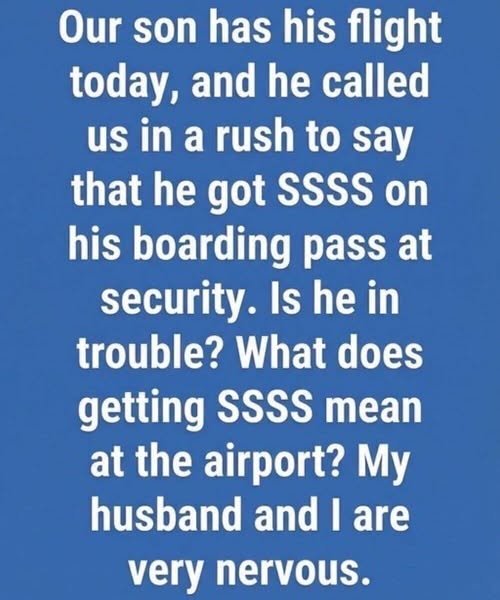
“SSSS” stands for Secondary Security Screening Selection, a designation used by the Transportation Security Administration. It means the traveler has been chosen for extra security checks before boarding.
This screening may include detailed bag inspections, electronics testing, identity verification, and sometimes a pat-down. Airlines usually don’t notify passengers in advance, which adds to the surprise.
The system operates under the Secure Flight program, which compares traveler information with government databases and watchlists to assess potential risks.
Selection is typically automated, based on algorithms rather than individual judgment. Factors like last-minute bookings, one-way tickets, or data mismatches can trigger it, though sometimes it’s random.
Importantly, SSSS does not mean a person is suspected of wrongdoing. It’s a precautionary measure designed to enhance safety in a high-risk environment, even if it occasionally affects innocent travelers.
Preparation can ease the process—arriving early, staying organized, and cooperating with agents helps. Ultimately, SSSS reflects aviation’s focus on safety, not suspicion, ensuring secure travel for everyone.
Website Disclaimer
The information provided on this website is for general informational and educational purposes only. While we strive to ensure that all content is accurate and up to date, we make no guarantees regarding the completeness, reliability, or accuracy of any information published.
The views and opinions expressed in articles belong to their respective authors and do not necessarily reflect the views of this website. Any action you take based on the information found on this website is strictly at your own risk. We will not be liable for any losses, damages, or inconveniences arising from the use of our content.
Some articles may contain opinions, third-party information, or external links. We do not endorse or guarantee the accuracy of content on external websites and are not responsible for their practices or policies.
All content on this website is provided in good faith and is intended for informational purposes only. Readers are encouraged to verify information independently and seek professional advice where appropriate.