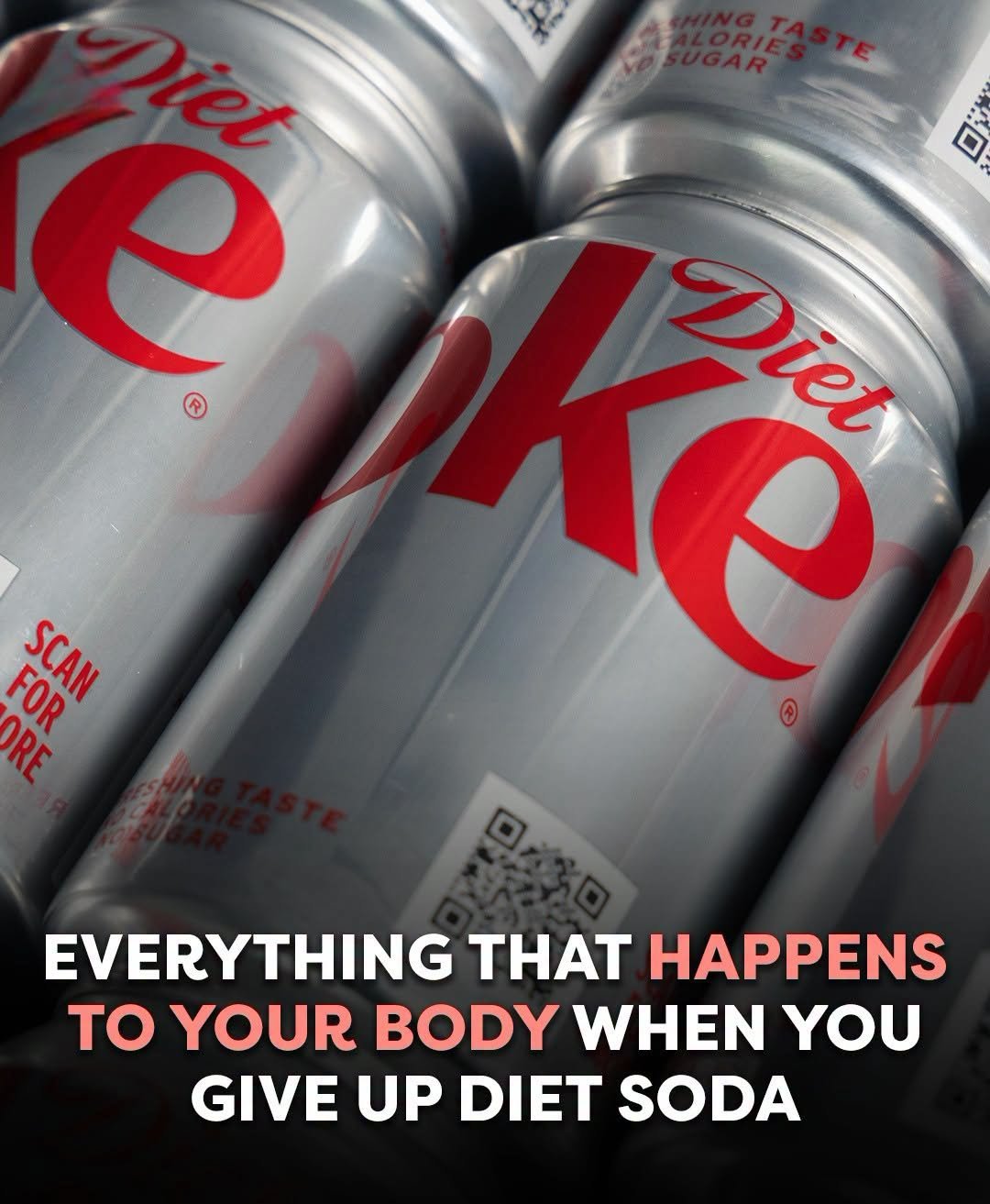
Many people choose to consume diet drinks instead of their full-fat alternative – but these might be worse for us than we first thought.
The World Health Organisation (WHO) recently warned that aspartame sweeteners may be a potential carcinogen, stirring up intense debates.
Aspartame is a prominent ingredient in chewing gums and diet sodas, and the upcoming announcement by the WHO’s International Agency for Research on Cancer (IARC) on July 14 is expected to classify its carcinogenicity.
Watch as a man who spent £7,000 per year on Pepsi finally overcomes his 20-year addiction…
The IARC’s assessment will categorise aspartame into one of four possible groups: carcinogenic to humans, probably carcinogenic to humans, possibly carcinogenic to humans, or ‘not classifiable as to its carcinogenicity to humans’.
Regardless of the final classification, it is crucial to note that consuming diet sodas already carries known health risks.
Many people believe that diet sodas are a healthier alternative and consume them regularly, sometimes leading to addiction.
But quitting diet drinks can have several positives effects on the body, so let’s take a look:
Improved cognitive function
The chemicals in artificial sweeteners can alter brain chemicals and nerve signals, potentially leading to headaches, anxiety, and insomnia.
Studies on rats have shown that diet soda consumption damages brain nerve endings responsible for motor skills.
Enhanced taste perception
Diet sodas overwhelm taste buds with excessive sweetness due to the high intensity of artificial sweeteners like aspartame, which is 200 times sweeter than table sugar.
Brain scans have demonstrated that sweeteners confuse sugar receptors, prolonging cravings for sugar.
Easier weight loss
While many turn to diet sodas in an attempt to shed pounds, evidence suggests that they may not assist in weight management.
A nine-year study found that older adults who consumed diet soda experienced weight gain around their midsection.
Another study revealed that daily diet soda consumption increases the risk of obesity by 65 per cent within the next decade.
Stronger bones
Post-menopausal women who regularly drink soda have been found to have lower hip bone density. Giving up diet sodas can contribute to stronger bones and reduce the risk of fractures.
Improved kidney function
A comprehensive 11-year study discovered that women who consumed two servings of diet soda per day had an increased risk of developing kidney function issues.
The kidneys work harder to process the additional chemicals present in diet sodas.
Quitting diet sodas allows the kidneys to focus on toxin clearance, stabilising blood pressure, and mineral absorption.
Reduced diabetes risk
Research published in Diabetes Care suggests that consuming a diet soda before a meal stimulates the pancreas to release excessive amounts of insulin, the hormone responsible for fat storage.
When the pancreas becomes overworked and produces too much insulin, the risk of developing diabetes increases.
The WHO’s upcoming assessment of aspartame sweetener sheds light on potential carcinogenicity, adding to the ongoing debate surrounding its safety.
Regardless of the outcome, individuals should be aware of the existing health risks associated with diet soda consumption.
Website Disclaimer
The information provided on this website is for general informational and educational purposes only. While we strive to ensure that all content is accurate and up to date, we make no guarantees regarding the completeness, reliability, or accuracy of any information published.
The views and opinions expressed in articles belong to their respective authors and do not necessarily reflect the views of this website. Any action you take based on the information found on this website is strictly at your own risk. We will not be liable for any losses, damages, or inconveniences arising from the use of our content.
Some articles may contain opinions, third-party information, or external links. We do not endorse or guarantee the accuracy of content on external websites and are not responsible for their practices or policies.
All content on this website is provided in good faith and is intended for informational purposes only. Readers are encouraged to verify information independently and seek professional advice where appropriate.