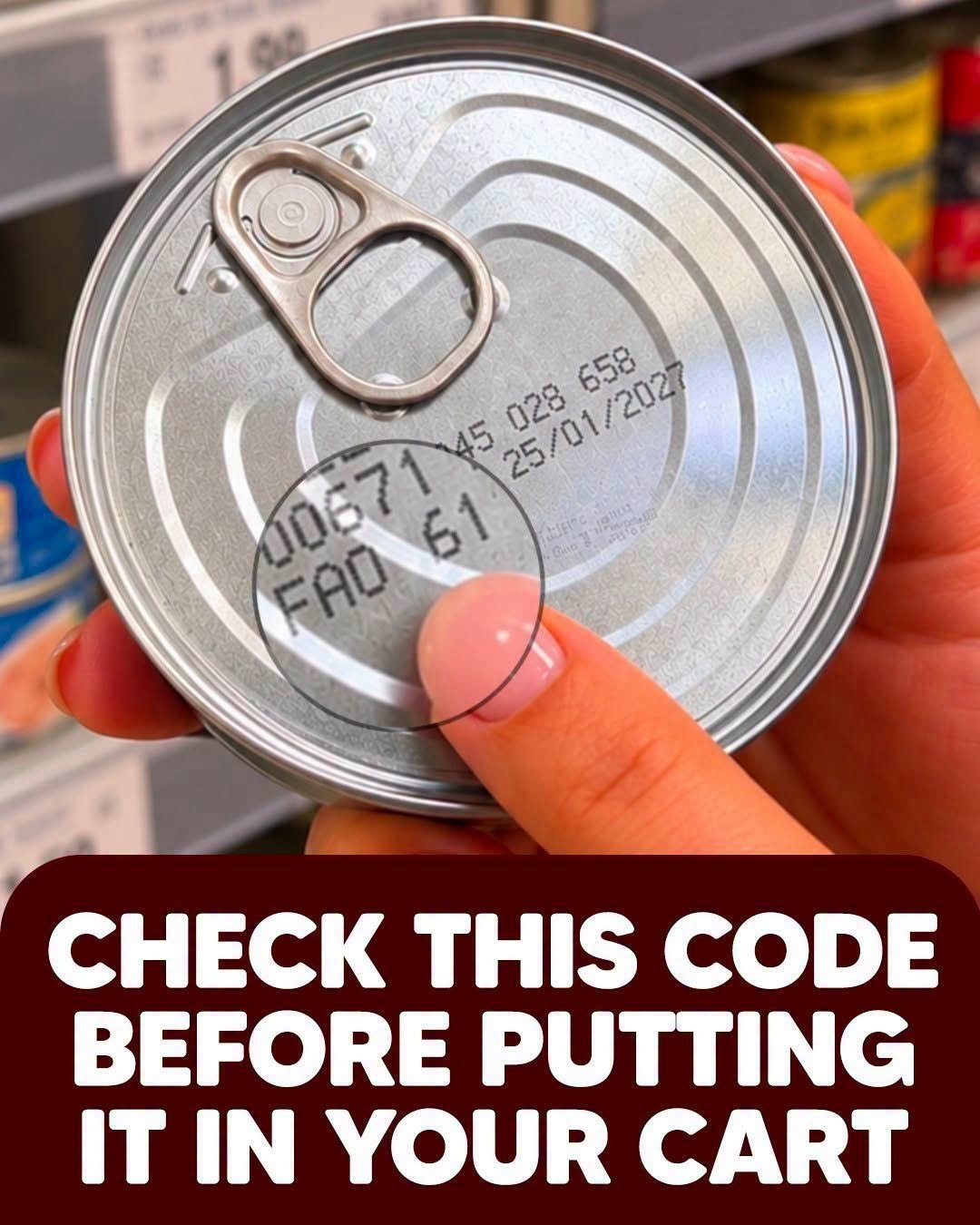
The FAO fishing-zone number on a fish label tells you the broad geographical area where the fish was caught. Most shoppers check the price, the expiry date and the species — but the zone adds the origin. It applies to tuna, salmon, cod, trout and swordfish, as well as to molluscs and crustaceans.
The system divides the world’s oceans and seas into numbered regions. The zones the article names are FAO 37, the Mediterranean and Black Sea; 27, the Northeast Atlantic and Baltic Sea; 21, the Northwest Atlantic; 31, the Central-West Atlantic; 34, the Central-Eastern Atlantic; 41, the Southwest Atlantic; and 47, the Southeast Atlantic — with several more numbered regions covering the Indian and Pacific Oceans, which the article does not number individually.
The number is especially useful for packaged, frozen or preserved seafood, where you cannot ask a fishmonger where the catch came from, and more specific subareas can give even more geographic detail. But the article stresses that an FAO number is not a simple “good” or “bad” rating: it gives location only, not automatically quality, freshness or safety.
One zone is singled out: FAO 61, which covers a large part of the Northwest Pacific, including waters near Japan. After the 2011 Fukushima nuclear disaster, concerns about radioactive contamination led some countries to introduce restrictions or advisories involving seafood from affected areas — and the article presents this history as a reason why checking the zone can help a buyer make a more informed choice. That is the code circled on the can in the photo: FAO 61.
Website Disclaimer
The information provided on this website is for general informational and educational purposes only. While we strive to ensure that all content is accurate and up to date, we make no guarantees regarding the completeness, reliability, or accuracy of any information published.
The views and opinions expressed in articles belong to their respective authors and do not necessarily reflect the views of this website. Any action you take based on the information found on this website is strictly at your own risk. We will not be liable for any losses, damages, or inconveniences arising from the use of our content.
Some articles may contain opinions, third-party information, or external links. We do not endorse or guarantee the accuracy of content on external websites and are not responsible for their practices or policies.
All content on this website is provided in good faith and is intended for informational purposes only. Readers are encouraged to verify information independently and seek professional advice where appropriate.