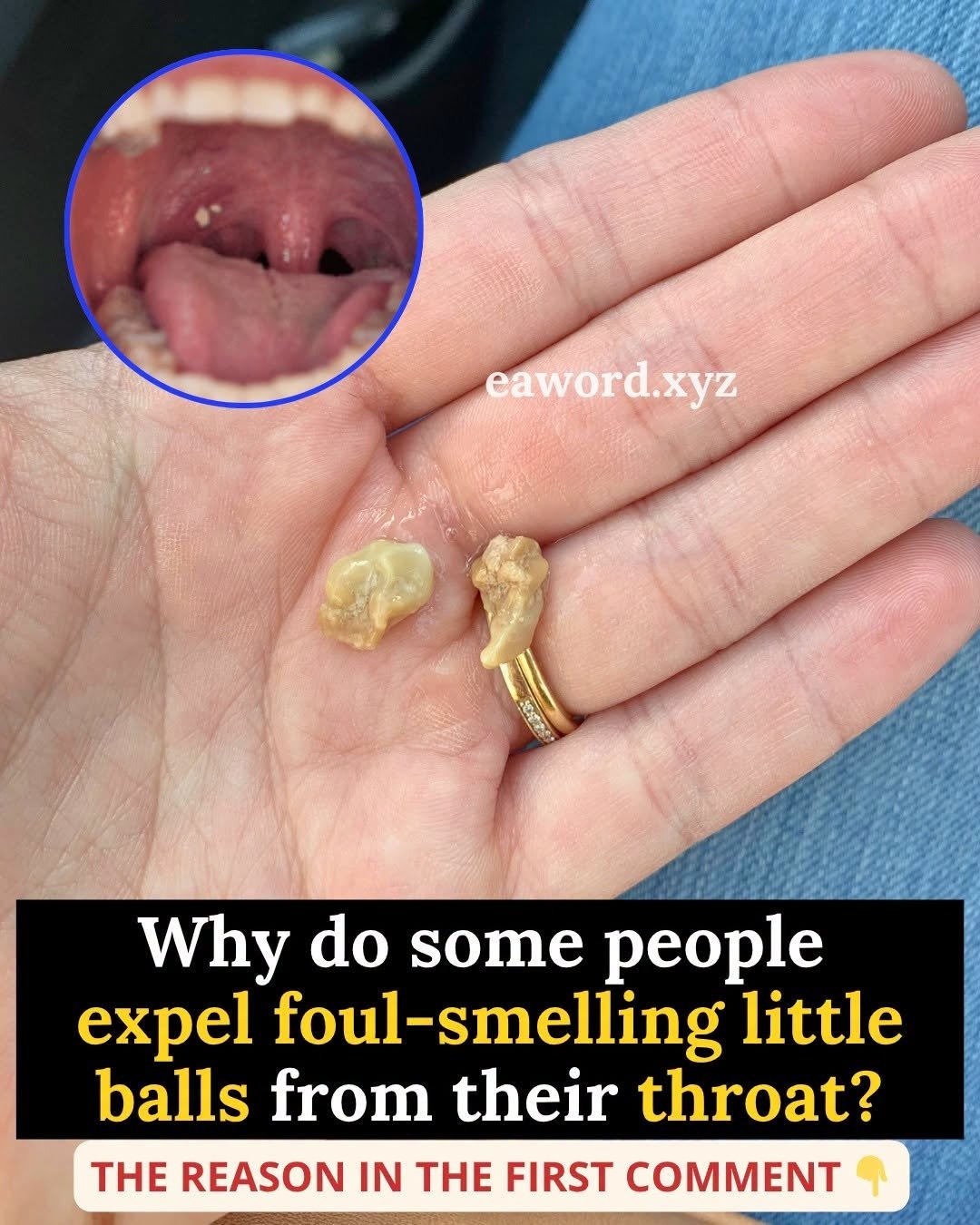
What you’ve likely experienced is a tonsil stone: a small, calcified deposit that forms in the crevices of the tonsils from trapped food, dead cells, and bacteria. Though usually benign, they can cause stubborn bad breath, a constant foreign-body sensation in the throat, and deep embarrassment that no mint or mouthwash seems to fix. Good oral hygiene—brushing teeth and tongue after meals, flossing, using antibacterial mouthwash, and staying well hydrated—greatly reduces their formation, especially in people prone to deeper tonsil crypts or recurrent infections.
When stones are already present, they may dislodge on their own with coughing, swallowing, or gargling warm saltwater. Oral irrigators can help, but aggressive self-removal with objects is risky and can injure the tonsils. If stones are frequent, painful, or associated with repeated infections, an ENT specialist can safely remove them and, in severe cases, discuss tonsillectomy. Most importantly, you don’t have to suffer in silence; persistent bad breath or throat discomfort deserves professional evaluatio
Website Disclaimer
The information provided on this website is for general informational and educational purposes only. While we strive to ensure that all content is accurate and up to date, we make no guarantees regarding the completeness, reliability, or accuracy of any information published.
The views and opinions expressed in articles belong to their respective authors and do not necessarily reflect the views of this website. Any action you take based on the information found on this website is strictly at your own risk. We will not be liable for any losses, damages, or inconveniences arising from the use of our content.
Some articles may contain opinions, third-party information, or external links. We do not endorse or guarantee the accuracy of content on external websites and are not responsible for their practices or policies.
All content on this website is provided in good faith and is intended for informational purposes only. Readers are encouraged to verify information independently and seek professional advice where appropriate.