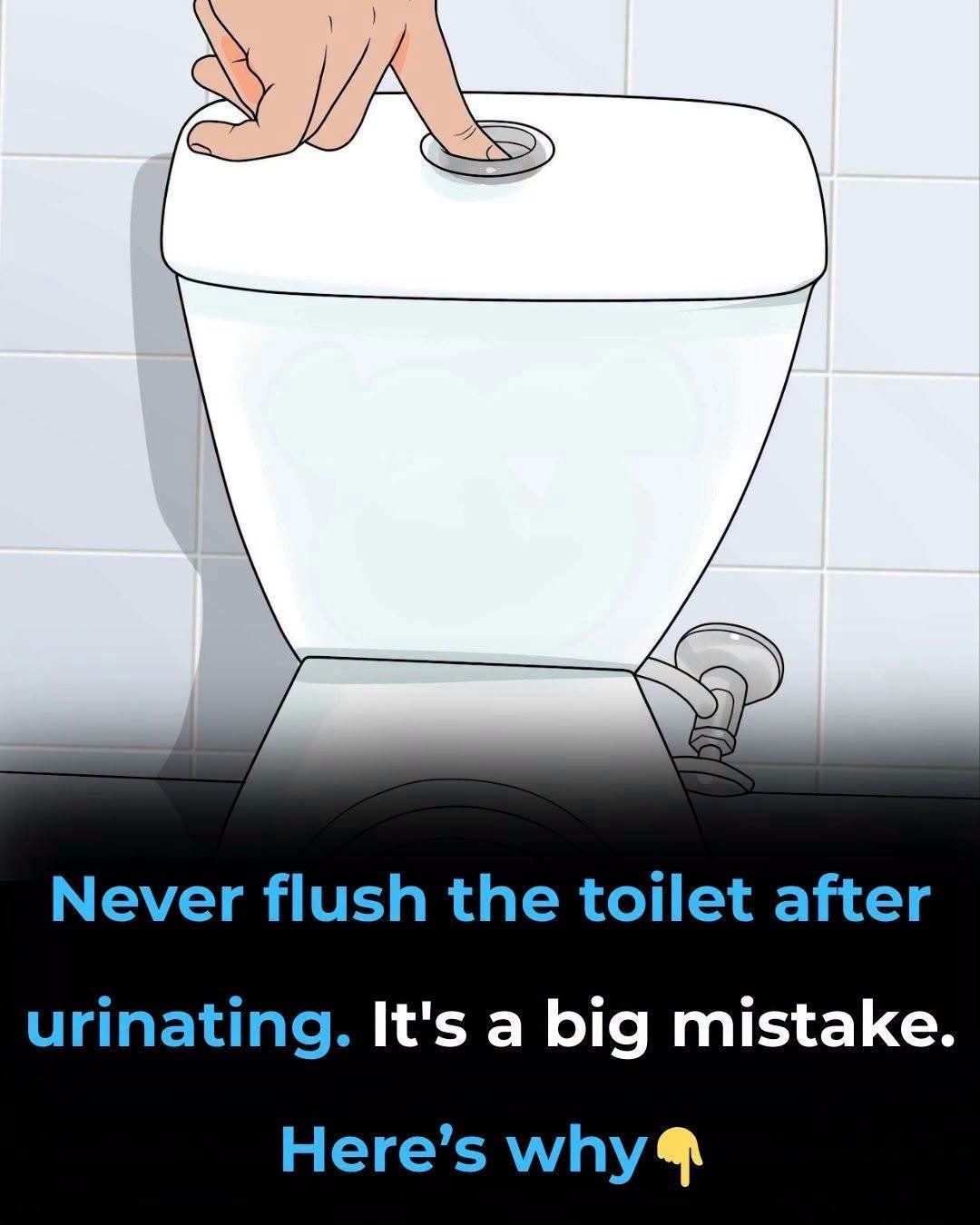
We rarely think about flushing the toilet—it’s automatic. But each flush uses 3 to 9 liters of clean, treated water, sending it straight into the sewer.
In an average home, toilets are flushed many times a day. This can add up to tens of thousands of liters of water wasted each year, a significant amount considering global water shortages.
To reduce this waste, some people follow a simple rule: “If it’s yellow, let it mellow; if it’s brown, flush it down.” Skipping some flushes can save large amounts of water over time.
Concerns about odor and hygiene are understandable, but they can be managed. Regular cleaning and simple solutions like natural scents help keep the bathroom fresh.
If that approach doesn’t suit you, there are other options. Dual-flush toilets allow you to use less water for liquid waste while maintaining efficiency.
Being mindful also helps. Flushing only when necessary can reduce unnecessary water use without requiring major lifestyle changes.
For some households, especially in rural areas, alternatives like composting toilets can eliminate water use entirely while still being safe and practical.
In the end, small habits can have a big impact. Rethinking everyday actions like flushing is an easy way to conserve water and contribute to a more sustainable future.
Website Disclaimer
The information provided on this website is for general informational and educational purposes only. While we strive to ensure that all content is accurate and up to date, we make no guarantees regarding the completeness, reliability, or accuracy of any information published.
The views and opinions expressed in articles belong to their respective authors and do not necessarily reflect the views of this website. Any action you take based on the information found on this website is strictly at your own risk. We will not be liable for any losses, damages, or inconveniences arising from the use of our content.
Some articles may contain opinions, third-party information, or external links. We do not endorse or guarantee the accuracy of content on external websites and are not responsible for their practices or policies.
All content on this website is provided in good faith and is intended for informational purposes only. Readers are encouraged to verify information independently and seek professional advice where appropriate.