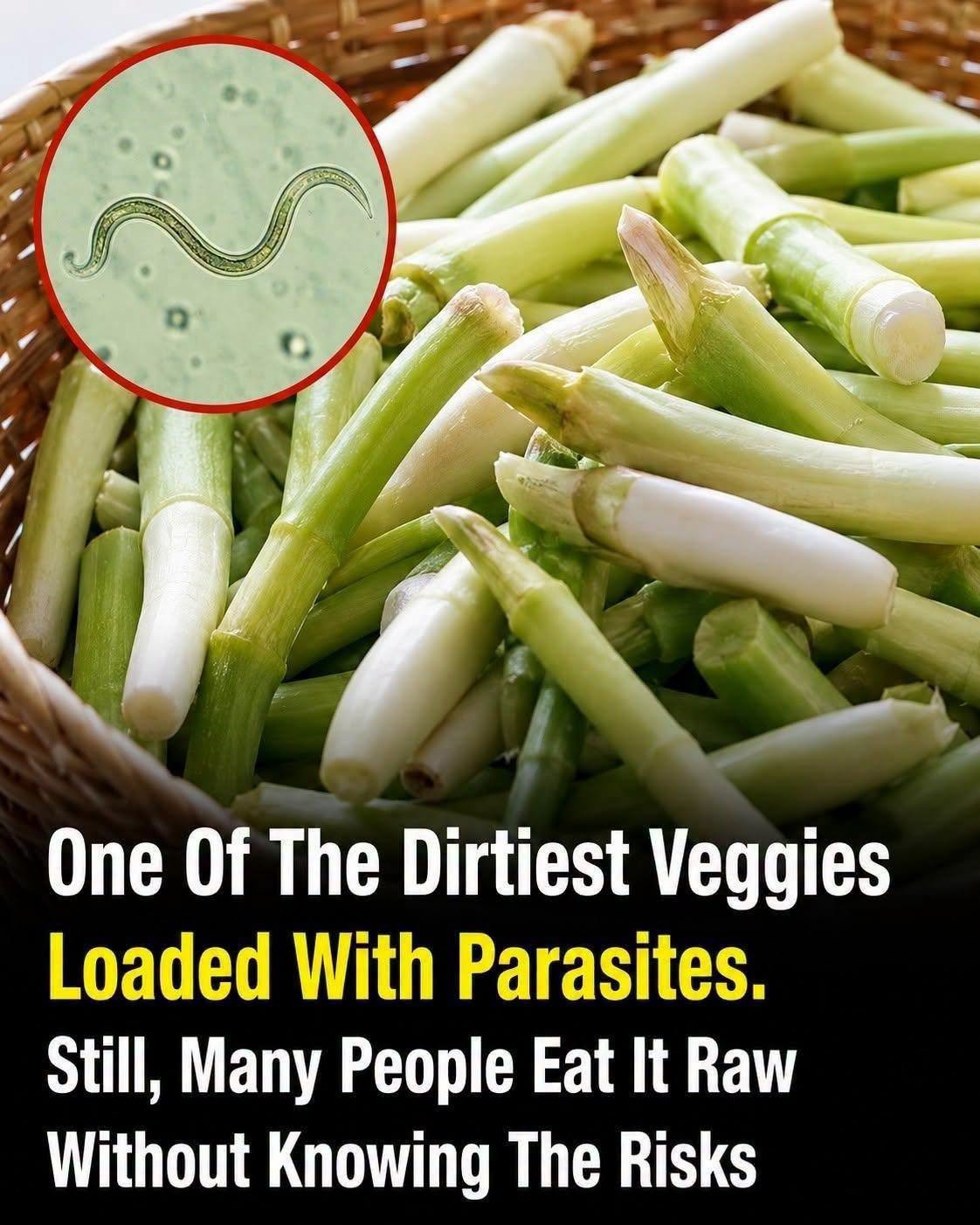
You reach for green onions, expecting freshness, not danger. Yet these common ingredients can carry invisible bacteria like Salmonella or E. coli. What seems harmless may pose a real risk if proper food safety steps are skipped.
Green onions, also called scallions, are valued for their mild flavor and strong nutritional benefits. They contain vitamins K and C, folate, and fiber, supporting overall health. However, their growth in soil exposes them to contamination early on.
From farm to kitchen, risks follow. They may contact polluted water, animal waste, or dirty equipment. Their layered structure can trap harmful microbes, making simple rinsing less effective than many believe.
Unlike foods cooked at high temperatures, green onions are often eaten raw. This increases the risk of foodborne illness. Even small contamination can cause nausea, cramps, or more serious health issues.
Certain groups face higher risks, including children, older adults, pregnant women, and those with weak immune systems. Still, avoiding green onions is unnecessary. The key is safer handling and better hygiene practices.
Start by removing damaged outer layers and cutting off the roots. Wash them in a bowl of cold water while gently rubbing the stalks. Focus especially on the base where dirt collects.
Prevent cross-contamination in your kitchen. Never use the same cutting board for raw meat and vegetables without washing it thoroughly. Clean utensils and wash your hands carefully before and after handling produce.
Store green onions in the refrigerator and monitor freshness. If they become slimy, discolored, or smell unusual, discard them. With proper cleaning, storage, and awareness, you can safely enjoy their flavor without unnecessary risk.
Website Disclaimer
The information provided on this website is for general informational and educational purposes only. While we strive to ensure that all content is accurate and up to date, we make no guarantees regarding the completeness, reliability, or accuracy of any information published.
The views and opinions expressed in articles belong to their respective authors and do not necessarily reflect the views of this website. Any action you take based on the information found on this website is strictly at your own risk. We will not be liable for any losses, damages, or inconveniences arising from the use of our content.
Some articles may contain opinions, third-party information, or external links. We do not endorse or guarantee the accuracy of content on external websites and are not responsible for their practices or policies.
All content on this website is provided in good faith and is intended for informational purposes only. Readers are encouraged to verify information independently and seek professional advice where appropriate.