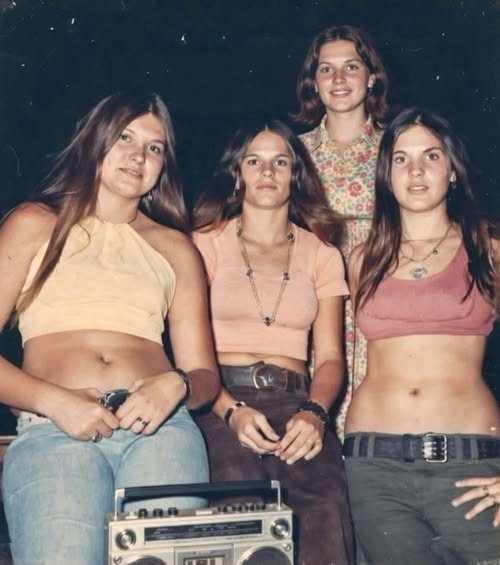
In 1915, fashion clung to the body like a cage. Women were laced into S-bend corsets, swaddled in layers that turned every movement into a negotiation. Clothing existed to signal class, respectability, and obedience. Then the world cracked open. War, suffrage, and the rise of working women began to strip away the excess. Skirts lifted, silhouettes straightened, and the body slowly emerged from hiding.
By the 1930s and 1940s, glamour and hardship collided. Bias-cut gowns traced natural curves at night, while padded shoulders and rationed hemlines marched through daylight realities of conflict. Christian Dior’s 1947 “New Look” felt almost obscene in its abundance—yards of fabric swirling around minuscule waists, as if the world were desperate to forget the discipline of war. That tension still lives in our closets: between display and defense, fantasy and function, control and the stubborn, quiet insistence on comfort.
Website Disclaimer
The information provided on this website is for general informational and educational purposes only. While we strive to ensure that all content is accurate and up to date, we make no guarantees regarding the completeness, reliability, or accuracy of any information published.
The views and opinions expressed in articles belong to their respective authors and do not necessarily reflect the views of this website. Any action you take based on the information found on this website is strictly at your own risk. We will not be liable for any losses, damages, or inconveniences arising from the use of our content.
Some articles may contain opinions, third-party information, or external links. We do not endorse or guarantee the accuracy of content on external websites and are not responsible for their practices or policies.
All content on this website is provided in good faith and is intended for informational purposes only. Readers are encouraged to verify information independently and seek professional advice where appropriate.