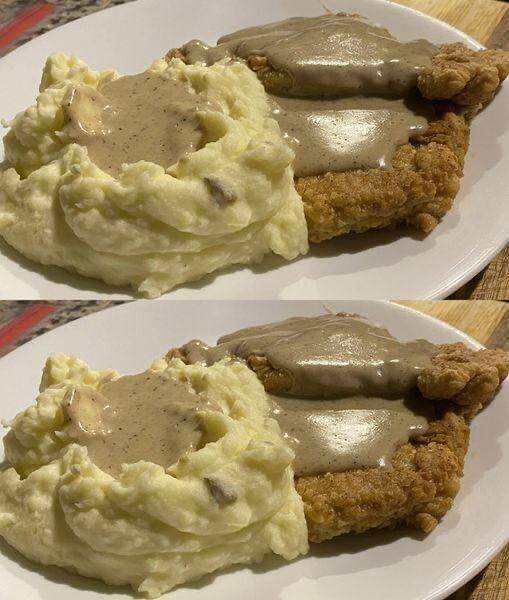
For many households, mashed potatoes are more than just a simple side dish—they are a symbol of comfort, tradition, and shared meals with family and friends. Whether served during holiday celebrations or alongside everyday dinners, this classic favorite has remained a staple on tables for generations. The creamy texture and familiar flavor bring a sense of warmth that many people associate with home cooking. Yet even well-loved recipes can evolve over time. In recent years, home cooks have begun exploring small adjustments to traditional dishes, discovering that simple changes in preparation can significantly improve both flavor and texture without making the recipe more complicated.
One cooking tip that gained attention online was shared by comedian Jourdyn Parks. Her suggestion was surprisingly simple but effective: instead of boiling potatoes in plain water, cook them in stock. While the difference might seem small at first, the result can be noticeably more flavorful. When potatoes cook in stock rather than water, they begin absorbing savory flavor from the very beginning of the cooking process. This means the potatoes develop depth and richness naturally, rather than depending only on butter, cream, or seasoning added at the end.
The method itself remains straightforward and easy for anyone to try at home. First, the potatoes are washed and cut into evenly sized pieces so they cook at the same rate. They are then placed in a pot with a light pinch of salt and enough stock to fully cover them. Many people use chicken stock, but vegetable or beef stock can work just as well depending on personal taste or dietary preference. Some cooks also choose to leave the potato skins on for added texture and nutrients, while others prefer peeling them for a smoother and more traditional mashed potato consistency.
As the potatoes simmer, they gradually absorb the savory liquid, enhancing their natural flavor before the mashing even begins. When butter, milk, or cream is added later, the final dish often tastes richer and more satisfying with less seasoning required. Many home cooks who have tried this method say the potatoes mash more smoothly and develop a deeper taste. The technique also opens the door for creativity—herbs, roasted garlic, or a touch of olive oil can easily be added to personalize the dish. In the end, this small adjustment is a reminder that even the most familiar recipes can benefit from a thoughtful twist, transforming a traditional favorite into something even more memorable.
Website Disclaimer
The information provided on this website is for general informational and educational purposes only. While we strive to ensure that all content is accurate and up to date, we make no guarantees regarding the completeness, reliability, or accuracy of any information published.
The views and opinions expressed in articles belong to their respective authors and do not necessarily reflect the views of this website. Any action you take based on the information found on this website is strictly at your own risk. We will not be liable for any losses, damages, or inconveniences arising from the use of our content.
Some articles may contain opinions, third-party information, or external links. We do not endorse or guarantee the accuracy of content on external websites and are not responsible for their practices or policies.
All content on this website is provided in good faith and is intended for informational purposes only. Readers are encouraged to verify information independently and seek professional advice where appropriate.