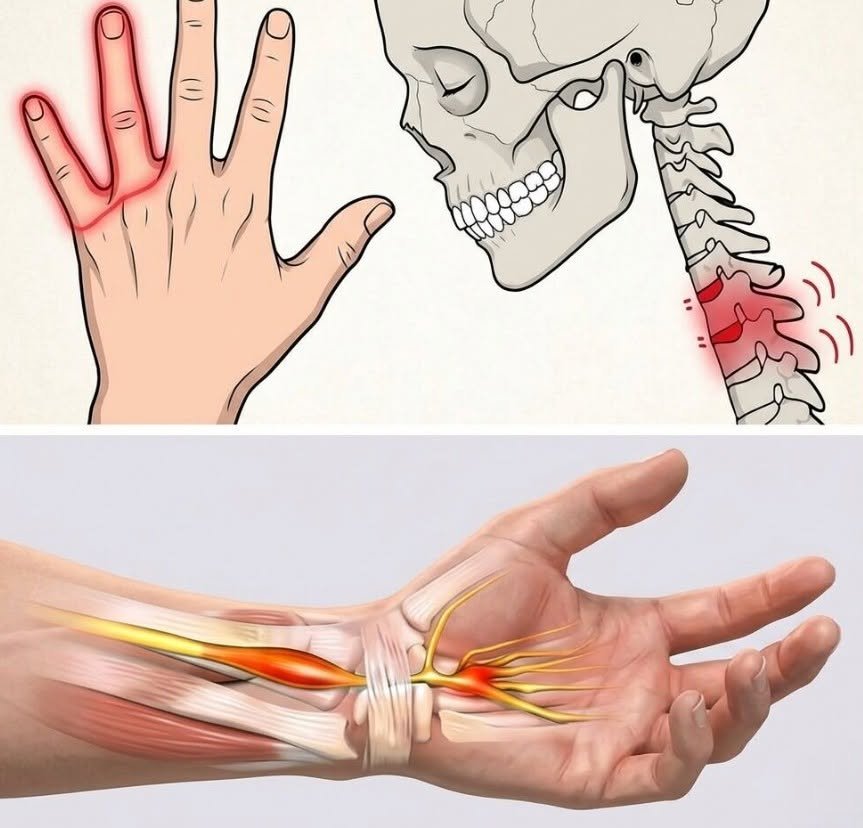
Numbness or tingling in the hands is common and often described as “pins and needles,” burning, or loss of sensation. It may be temporary and harmless, but persistent symptoms can signal issues involving nerves, circulation, or overall health.
A frequent cause is temporary nerve compression from sleeping positions or prolonged pressure. This usually resolves quickly once movement and circulation return. Repetitive activities like typing or gripping tools can also irritate nerves over time.
Carpal Tunnel Syndrome is a common example, where the median nerve is compressed at the wrist. It can cause tingling in the thumb and first three fingers, along with weakness or reduced grip strength, especially at night or during repetitive tasks.
Nutritional deficiencies, especially low vitamin B12, may also contribute to nerve symptoms. Electrolyte imbalances involving calcium, potassium, or magnesium can affect nerve signaling. These issues often require medical testing for accurate diagnosis and treatment.
Chronic conditions such as Type 2 Diabetes can lead to nerve damage known as neuropathy. Spinal issues like herniated discs may also cause tingling that travels from the neck into the arms and hands due to nerve compression.
Circulation problems can play a role as well. Conditions like Raynaud’s disease reduce blood flow to the fingers, causing numbness and color changes. Less commonly, cysts, injuries, or inflammation may physically affect nearby nerves.
Serious neurological conditions such as stroke, infections, or autoimmune diseases can also cause hand numbness. Symptoms like sudden weakness, confusion, or one-sided body changes require urgent medical attention.
While occasional tingling is often harmless, persistent or worsening symptoms should be evaluated. Improving posture, managing health conditions, and maintaining good nutrition can help. Early attention can prevent more serious nerve-related complications.
Website Disclaimer
The information provided on this website is for general informational and educational purposes only. While we strive to ensure that all content is accurate and up to date, we make no guarantees regarding the completeness, reliability, or accuracy of any information published.
The views and opinions expressed in articles belong to their respective authors and do not necessarily reflect the views of this website. Any action you take based on the information found on this website is strictly at your own risk. We will not be liable for any losses, damages, or inconveniences arising from the use of our content.
Some articles may contain opinions, third-party information, or external links. We do not endorse or guarantee the accuracy of content on external websites and are not responsible for their practices or policies.
All content on this website is provided in good faith and is intended for informational purposes only. Readers are encouraged to verify information independently and seek professional advice where appropriate.