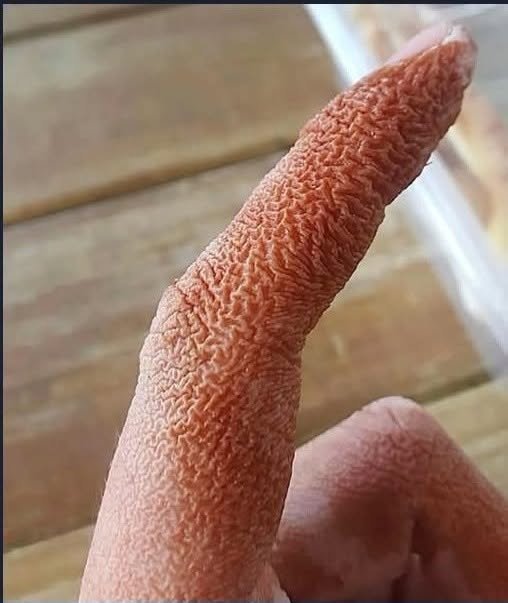
A sudden outbreak of painful red marks on the face and neck can look like an allergy, an infection, or a severe rash. In one recent medical case, however, the pattern pointed doctors toward something far less common: a rare inflammatory condition called Sweet syndrome.
The patient came to a clinic with tender, raised red lesions that had appeared quickly and spread across the face and neck. Because the eruption was painful and unusual, the patient was referred to dermatology for a closer evaluation.
Specialists reviewed the patient’s recent history and noted that a new medication had been started before the skin symptoms appeared. Since certain medicines can trigger sudden inflammatory skin reactions, doctors stopped the medication while they investigated further.
How Doctors Narrowed the Diagnosis
The medical team did not rely on appearance alone. The patient underwent a skin biopsy, blood testing, and additional laboratory work, including antibody testing and testing for lupus anticoagulant. These steps helped doctors rule out other possible explanations, including urticaria, contact dermatitis, drug-related eruptions, and cutaneous lupus.
Blood tests showed leukocytosis, meaning an elevated white blood cell count, with neutrophilia, a rise in a specific type of white blood cell called neutrophils. Those findings matched what doctors often see in Sweet syndrome.
While the team waited for the pathology results, the patient was treated with oral corticosteroids to reduce the inflammation and pain. The response was rapid. Within 48 hours, the intensity of the lesions began to fade, and the pain improved.
About 20 days after the initial episode, the biopsy confirmed the diagnosis: acute febrile neutrophilic dermatosis, more commonly known as Sweet syndrome.
What Sweet Syndrome Is
Sweet syndrome is a rare condition marked by the sudden appearance of painful red or violet bumps and plaques on the skin. It often affects the upper body, including the face, neck, and upper trunk.
Under the microscope, the condition is defined by a dense buildup of neutrophils in the dermis, the deeper layer of the skin. These immune cells normally help the body respond to infection, but in Sweet syndrome they collect in the skin as part of an intense inflammatory reaction.
The exact cause is not fully understood. Medical literature describes it as a hypersensitivity reaction involving immune system signals called cytokines. These signals can drive neutrophils into the skin tissue quickly, creating the sudden and painful eruption.
Some cases appear after infections. Others are associated with medications. In certain situations, Sweet syndrome can also be linked to underlying disease, including malignancy, which is why careful medical evaluation matters.
What Readers Should Know
Sweet syndrome is not a common rash, and it cannot be diagnosed with a quick glance. Because it can resemble several other skin problems, doctors often need a combination of clinical history, blood work, and biopsy results before they can confirm it.
Drug-induced Sweet syndrome has been reported with a range of medications, including antibiotics, contraceptives, antiepileptics, antihypertensives, some vaccines, and colony-stimulating factors used in some cancer care settings. In this case, stopping the recently started medication was part of the early management plan.
Treatment often involves oral corticosteroids, and when the diagnosis is correct, improvement can be fast. Pain and systemic discomfort may ease quickly, and skin lesions can clear within days. Still, treatment decisions should be made by a qualified healthcare professional, especially because similar-looking skin eruptions can have very different causes.
The case is a reminder that the skin can sometimes reveal a deeper immune system reaction. Sudden, painful, rapidly spreading lesions deserve prompt medical attention, especially when they appear after a new medication or alongside fever or general illness.
For readers, the takeaway is simple: unusual skin changes should not be ignored, and specialist evaluation can make a major difference when a rare condition is involved.
Website Disclaimer
The information provided on this website is for general informational and educational purposes only. While we strive to ensure that all content is accurate and up to date, we make no guarantees regarding the completeness, reliability, or accuracy of any information published.
The views and opinions expressed in articles belong to their respective authors and do not necessarily reflect the views of this website. Any action you take based on the information found on this website is strictly at your own risk. We will not be liable for any losses, damages, or inconveniences arising from the use of our content.
Some articles may contain opinions, third-party information, or external links. We do not endorse or guarantee the accuracy of content on external websites and are not responsible for their practices or policies.
All content on this website is provided in good faith and is intended for informational purposes only. Readers are encouraged to verify information independently and seek professional advice where appropriate.