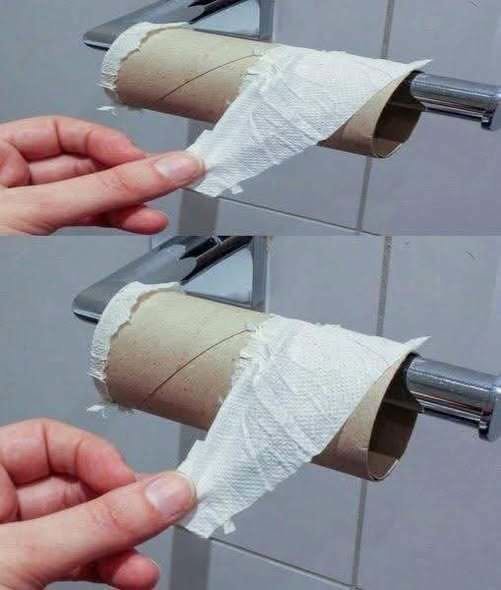
Toilet paper, a staple in households worldwide, may soon face significant changes—or even disappear from shelves—due to growing environmental and health concerns. Though essential to daily hygiene for billions, the environmental cost of toilet paper production has prompted serious reconsideration of its future use.
Invented by Joseph Gayetty in the mid-19th century, toilet paper revolutionized sanitation practices but has since become a major environmental burden. Its production requires the cutting down of millions of trees annually, contributing heavily to deforestation. Additionally, the manufacturing process consumes vast amounts of water and energy while releasing harmful chemicals and pollutants into the environment.
Beyond environmental impact, health concerns are also rising. Some toilet papers contain chemicals such as formaldehyde and chlorine bleach, which may cause skin irritation or other long-term health effects. Moreover, waste from used toilet paper often ends up in landfills or sewage systems, placing further strain on waste management and water treatment infrastructures.
These issues have led experts and activists to push for more sustainable alternatives. Bidets, reusable cloths, and bamboo-based paper products are being promoted as eco-friendly replacements. Several countries have already seen a rise in bidet usage, highlighting a cultural shift away from traditional toilet paper.
While a total disappearance of toilet paper isn’t imminent, the conversation around its sustainability is gaining momentum. Consumers and industries alike may soon be forced to rethink their reliance on the roll, making way for greener, healthier hygiene practices.
Website Disclaimer
The information provided on this website is for general informational and educational purposes only. While we strive to ensure that all content is accurate and up to date, we make no guarantees regarding the completeness, reliability, or accuracy of any information published.
The views and opinions expressed in articles belong to their respective authors and do not necessarily reflect the views of this website. Any action you take based on the information found on this website is strictly at your own risk. We will not be liable for any losses, damages, or inconveniences arising from the use of our content.
Some articles may contain opinions, third-party information, or external links. We do not endorse or guarantee the accuracy of content on external websites and are not responsible for their practices or policies.
All content on this website is provided in good faith and is intended for informational purposes only. Readers are encouraged to verify information independently and seek professional advice where appropriate.