The Simple Winter Trick That Claims to Stop Icy Steps — But There’s a Catch
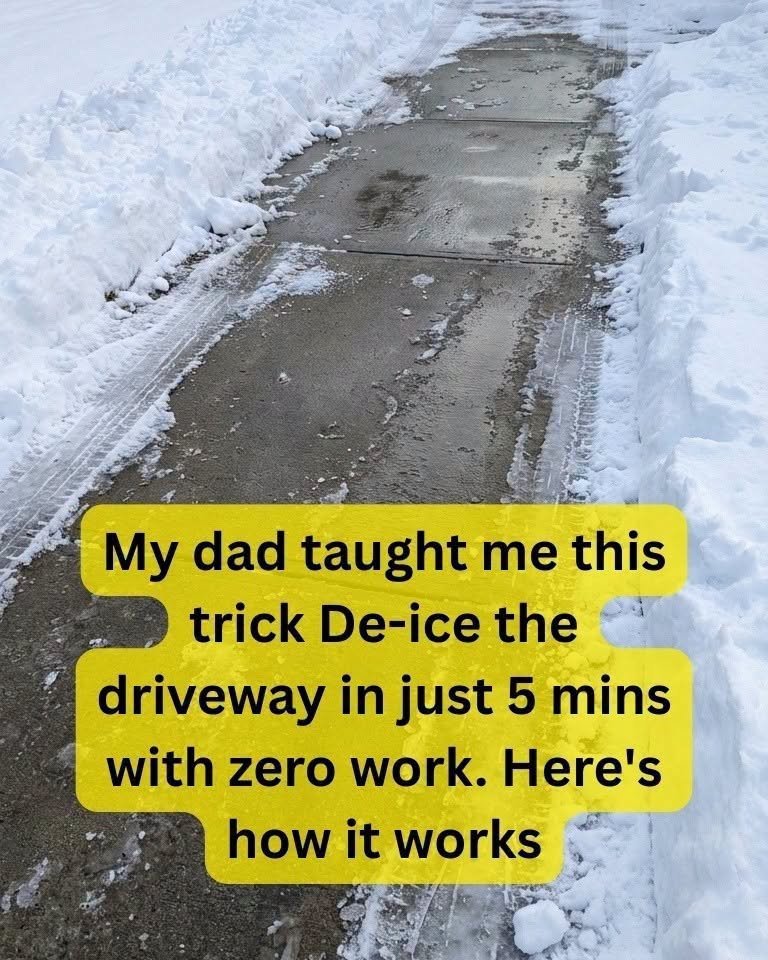
When snow piles up and steps turn slick, an inexpensive alternative to road salt sounds like a winter lifesaver. The suggested recipe combines one teaspoon of Dawn dish soap, one tablespoon of rubbing alcohol, and half a gallon of warm or hot water. Its appeal is understandable: repeated use of some deicing salts can contribute to concrete deterioration, particularly on vulnerable surfaces. But the claim that this homemade treatment prevents refreezing is not reliable.
The key ingredient behind the idea is rubbing alcohol. Alcohol can lower the freezing point of water, which explains why it is sometimes used in deicing products. However, the small amount in this recipe becomes heavily diluted by the water. As the mixture cools, its ability to prevent ice from forming may be limited, especially when temperatures fall well below freezing. It should not be treated as a dependable ice-prevention solution.
Dish soap is another part of the recipe that deserves caution. Although it may change the way water spreads across a surface, it is not a proven deicer. Soap residue can also leave stairs or walkways slippery, potentially creating a different hazard while attempting to solve the original problem.
There is an additional concern with pouring warm or hot water onto icy steps. It may temporarily melt some ice, but the water can quickly cool and refreeze when temperatures remain below freezing. That can leave behind a thin, nearly invisible layer of ice that is even more dangerous than the original patch.
So what should homeowners do when winter weather makes their entrances hazardous?
Start by removing as much snow as possible. Use a sturdy shovel or an appropriate ice scraper before applying a deicing product. Clearing loose snow first helps prevent it from compacting into a hard, slippery layer.
For stubborn ice, choose a commercial deicer suitable for your particular surface and the expected temperature. Calcium chloride and magnesium chloride can work at lower temperatures than ordinary rock salt, although their effectiveness depends on conditions and the product formulation. Always follow the manufacturer’s instructions, and remember that these products can still affect concrete, nearby plants, pets, and metal.
If protecting concrete is a priority, avoid applying excessive amounts of deicer, especially to new, damaged, or vulnerable concrete. Proper drainage, timely snow removal, and a suitable traction material can also help reduce winter hazards. Sand or other appropriate traction products may improve grip without melting the ice, but they must be cleaned up afterward.
Finally, pay special attention to shaded steps, north-facing entrances, and areas beneath downspouts, where moisture can accumulate and freeze repeatedly. Adding secure outdoor handrails, improving drainage, and using exterior-rated, nonslip stair treads can provide protection beyond any chemical treatment.
The homemade mixture may sound like an easy way to avoid road salt, but it is not a dependable substitute for proven winter safety measures. A recipe that works under one set of conditions may fail completely when temperatures drop further.
The most important winter lesson is simple: don’t rely on a homemade liquid to keep your steps ice-free. Remove snow promptly, use products designed for the surface and weather, and make sure every step has enough traction before walking on it. A few extra minutes of prevention can help avoid a painful fall when winter is at its worst.
Website Disclaimer
The information provided on this website is for general informational and educational purposes only. While we strive to ensure that all content is accurate and up to date, we make no guarantees regarding the completeness, reliability, or accuracy of any information published.
The views and opinions expressed in articles belong to their respective authors and do not necessarily reflect the views of this website. Any action you take based on the information found on this website is strictly at your own risk. We will not be liable for any losses, damages, or inconveniences arising from the use of our content.
Some articles may contain opinions, third-party information, or external links. We do not endorse or guarantee the accuracy of content on external websites and are not responsible for their practices or policies.
All content on this website is provided in good faith and is intended for informational purposes only. Readers are encouraged to verify information independently and seek professional advice where appropriate.