What Are Skin Fungi?
Skin fungi are microorganisms that naturally exist on the body. In warm and moist conditions, however, they can overgrow and lead to infections. Some common fungal infections include ringworm (dermatophytosis), which can affect various body areas; cutaneous candidiasis, which thrives in moist places like the armpits and groin; onychomycosis, which targets fingernails and toenails; and pityriasis versicolor, which causes discolored skin patches.
What Is Ringworm?
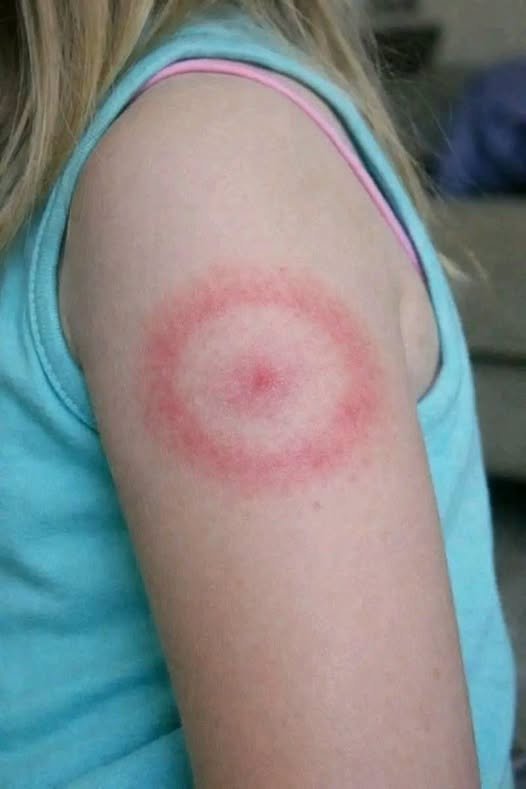
Ringworm is a contagious fungal infection that presents as red, circular rashes that are often itchy or scaly. It’s named based on the area it affects. Tinea corporis appears on the arms, legs, or torso as circular patches with clear centers. Tinea capitis affects the scalp, leading to hair loss and crusting—most common in children. Tinea pedis, or athlete’s foot, causes cracking and odor between the toes. Tinea cruris, known as jock itch, affects the groin and inner thighs. Tinea unguium infects the nails, causing them to become thick, brittle, and discolored.
How Are Skin Fungi Transmitted?
Fungal infections spread through direct contact with infected people, animals, or contaminated objects like towels, clothing, and combs. Damp environments such as public showers, gym floors, or swimming pools also pose a risk. Additional risk factors include excessive sweating, wearing tight clothing, and poor hygiene practices.
Medical Treatments
Treatment depends on the infection’s type and severity. Mild cases usually respond well to topical antifungals like clotrimazole, terbinafine, or ketoconazole, applied twice daily for 2–4 weeks. Severe or stubborn infections, especially those affecting the scalp or nails, often require oral antifungals such as itraconazole or fluconazole. Scalp ringworm may be treated with griseofulvin, while nail fungus may require specialized antifungal lacquers or longer-term oral therapy.
Natural Remedies (Complementary Only)
Natural remedies can support recovery but should not replace prescribed medications. Apple cider vinegar has antifungal properties and can be applied twice daily with a cotton ball. Crushed garlic mixed with coconut oil can be used as a 30-minute topical treatment. Diluted tea tree oil is another natural antifungal that can be applied twice a day. Baking soda absorbs moisture and can be sprinkled in shoes or applied as a paste. Fresh aloe vera gel soothes and heals and can be used several times daily.
How to Prevent Fungal Infections
Good hygiene is key. Always keep your skin clean and thoroughly dry, especially after bathing. Avoid sharing personal items like towels, socks, or razors. Use protective footwear in public showers, gyms, and pools. Strengthen your immune system with a balanced diet, adequate sleep, and stress management. Applying antifungal powders can help keep feet dry and prevent infections, especially if you’re prone to athlete’s foot.
Conclusion
Fungal skin infections, including ringworm, are common but manageable with proper care. Timely use of antifungal treatments, supported by natural remedies and preventive measures, can ensure a full recovery. If symptoms persist or worsen, seek medical advice from a dermatologist to avoid complications and ensure effective treatment.
Website Disclaimer
The information provided on this website is for general informational and educational purposes only. While we strive to ensure that all content is accurate and up to date, we make no guarantees regarding the completeness, reliability, or accuracy of any information published.
The views and opinions expressed in articles belong to their respective authors and do not necessarily reflect the views of this website. Any action you take based on the information found on this website is strictly at your own risk. We will not be liable for any losses, damages, or inconveniences arising from the use of our content.
Some articles may contain opinions, third-party information, or external links. We do not endorse or guarantee the accuracy of content on external websites and are not responsible for their practices or policies.
All content on this website is provided in good faith and is intended for informational purposes only. Readers are encouraged to verify information independently and seek professional advice where appropriate.