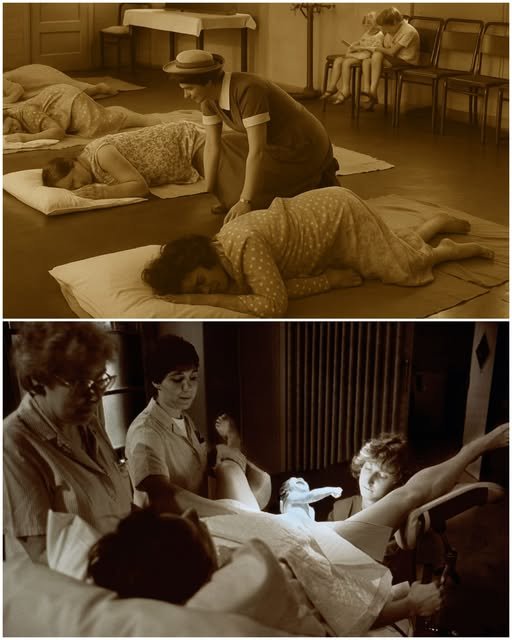
500 Years of Childbirth: How the Journey to Modern Maternity Evolved
Childbirth has transformed dramatically over the past five centuries — from perilous home deliveries to highly specialized medical care. Here’s a look at how birthing practices have evolved through the ages.
1500s: A Dangerous Beginning
In the 16th century, pregnancy was often seen as a life-threatening condition. Expectant mothers in Europe frequently prepared their wills upon learning they were with child. Births took place at home, typically attended by midwives and female relatives, with the mother sitting upright in a horseshoe-shaped birthing chair.
1591: A Tragic First for Pain Relief
In Scotland, Eufame Maclayne was executed by burning at the stake after requesting pain relief during the delivery of her twins — a grim reflection of how misunderstood childbirth pain management once was.
Mid-1700s: The Invention of Forceps
The introduction of forceps revolutionized obstetrics, allowing doctors and midwives to safely assist babies who became stuck during labor. This marked one of the first medical interventions designed to save both mother and child.
1853: The Queen’s Influence
When Queen Victoria famously used chloroform during the birth of her eighth child, the practice of anesthesia in childbirth gained social acceptance. The monarch’s approval helped shift public opinion toward managing labor pain with medical aid.
1910s: Forgetting the Pain
The early 20th century introduced “twilight sleep,” a controversial combination of morphine and scopolamine that left women semi-conscious and with no memory of giving birth. It became a symbol of progress — and later, of medical excess.
1915: Feminism and the Right to Relief
As women’s rights movements gathered momentum, activists began advocating for access to pain relief during childbirth, framing it as both a medical and moral right.
1920s: Hospitals Take Over
By the 1920s, childbirth was shifting from home to hospital. Physician Dr. Joseph DeLee promoted standardized procedures such as the use of forceps, anesthesia, and routine episiotomies — medicalizing birth in the name of safety.
1942: The Birth of Natural Birth
Dr. Grantly Dick-Read’s groundbreaking book Childbirth Without Fear introduced the concept of “natural childbirth,” emphasizing trust in the body’s innate ability to give birth without interventions or anesthesia.
1960s: The Fall of Twilight Sleep
As reports of twilight sleep’s disturbing side effects — including hallucinations and newborn respiratory distress — spread, the practice quickly fell out of favor. Women began seeking more humane and conscious birth experiences.
1970s: A New Era of Choice
Epidurals became increasingly popular, while alternative approaches like Lamaze breathing, hypnosis, and water births emerged. For the first time, fathers were commonly welcomed into delivery rooms to support their partners.
1980s: Back to the Home
Amid growing concerns about over-medicalization, many women advocated for home births and birthing centers, reclaiming childbirth as a natural, family-centered experience.
2000s: The Rise of the C-Section
By the early 21st century, nearly one in three births was a Cesarean delivery. Among vaginal births, more than half involved epidural or spinal anesthesia, reflecting widespread trust in medical technology.
Today: The Power of Choice
Modern women have an unprecedented range of options — from water births and home deliveries to “gentle” C-sections and vaginal births after Cesarean (VBAC). The story of childbirth, once marked by fear and danger, is now one of empowerment, science, and choice.
Website Disclaimer
The information provided on this website is for general informational and educational purposes only. While we strive to ensure that all content is accurate and up to date, we make no guarantees regarding the completeness, reliability, or accuracy of any information published.
The views and opinions expressed in articles belong to their respective authors and do not necessarily reflect the views of this website. Any action you take based on the information found on this website is strictly at your own risk. We will not be liable for any losses, damages, or inconveniences arising from the use of our content.
Some articles may contain opinions, third-party information, or external links. We do not endorse or guarantee the accuracy of content on external websites and are not responsible for their practices or policies.
All content on this website is provided in good faith and is intended for informational purposes only. Readers are encouraged to verify information independently and seek professional advice where appropriate.