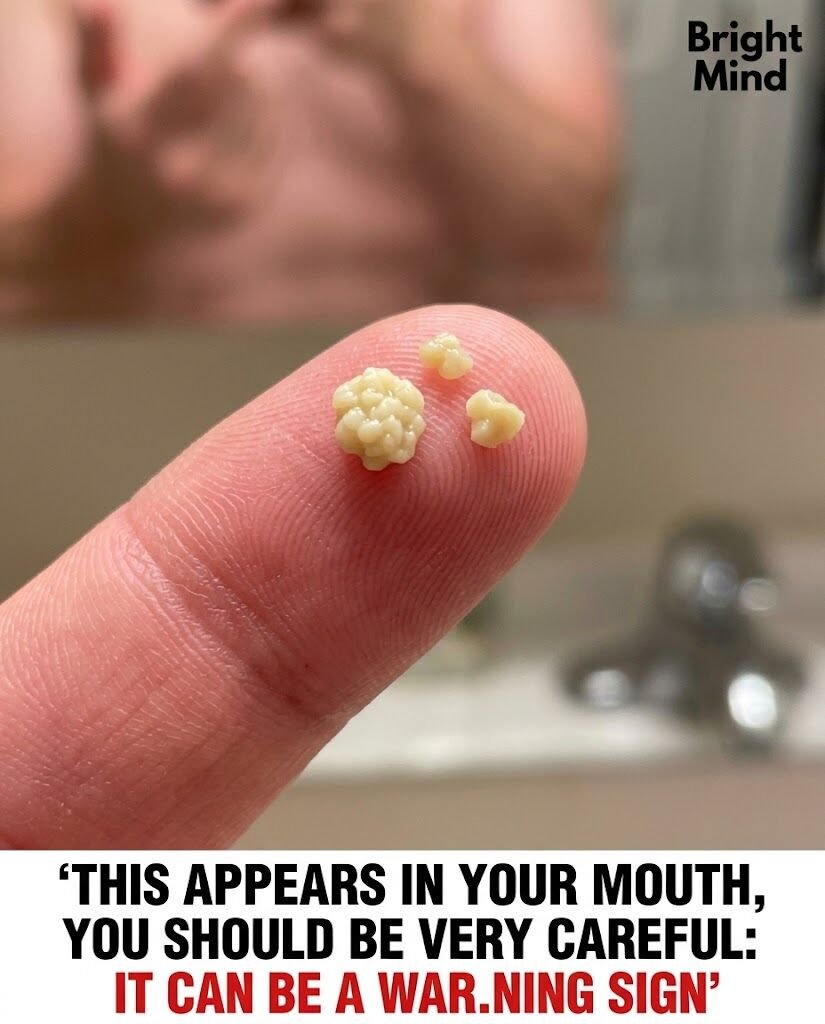
It usually starts small.
A sore that won’t go away.
A strange patch you don’t remember seeing before.
A little bleeding when you brush your teeth.
Easy to ignore… until it isn’t.
Your mouth can reveal more about your health than you think. And sometimes, those subtle changes are early warning signs your body is trying to send.
Why Paying Attention to Mouth Warning Signs Matters
Most people don’t check their mouth unless something hurts.
But many serious conditions don’t begin with pain — they begin with changes.
That’s why noticing mouth warning signs early can make a huge difference.
Key takeaway: Your mouth often shows problems before the rest of your body does.
White or Red Patches: What Do They Mean?
If you notice unusual white or red areas inside your mouth, don’t ignore them.
These patches may:
Appear on the tongue, gums, or inner cheeks
Feel rough or slightly raised
Persist over time
In some cases, they can be linked to irritation. But if they don’t go away, they may require medical attention.
Key takeaway: Any patch that doesn’t heal deserves to be checked.
Close-up of mouth showing unusual patches
Mouth Ulcers That Last Too Long
Everyone gets mouth ulcers occasionally.
But the concern starts when:
They last longer than two weeks
They keep coming back frequently
They become more painful over time
Persistent ulcers can be a sign that something deeper is happening.
Key takeaway: Healing time matters — don’t ignore ulcers that linger.
Bleeding Gums and Bad Breath
Bleeding when brushing isn’t normal — even if it feels common.
It may indicate:
Gum inflammation
Early gum disease
Poor oral hygiene
Chronic bad breath can also be a sign of underlying dental issues.
Key takeaway: Healthy gums shouldn’t bleed easily.
Changes in Your Tongue
Your tongue can reveal a lot about your health.
Watch for:
Unusual color changes
Swelling or texture differences
Persistent coating
These changes can sometimes be linked to:
Nutritional deficiencies (like B12 or iron)
Allergic reactions
Digestive issues
Key takeaway: Your tongue reflects internal health more than you realize.
Cold Sores: More Than Just a Simple Blister
Cold sores are common — but they’re also misunderstood.
They are caused by a virus (HSV-1) and often appear as:
Small fluid-filled blisters
Painful or burning spots around the lips
Recurrent outbreaks triggered by stress or illness
Once you have the virus, it can stay in your body and reactivate later.
Key takeaway: Cold sores may come and go, but the virus stays.
What Triggers Cold Sores?
Cold sores don’t appear randomly.
Common triggers include:
Stress
Fatigue
Sun exposure
Illness
Weakened immune system
Understanding your triggers can help you manage outbreaks better.
Key takeaway: Triggers don’t cause the virus — they activate it.
When Should You See a Doctor?
Not every mouth issue is serious — but some should never be ignored.
Seek medical advice if you notice:
Sores lasting more than two weeks
Rapid changes in patches or lesions
Severe pain or swelling
Frequent recurring symptoms
Early attention can prevent bigger problems later.
Key takeaway: Waiting too long can turn a small issue into a serious one.
Simple Ways to Protect Your Oral Health
You don’t need complicated routines to keep your mouth healthy.
Start with these basics:
Brush twice daily
Floss regularly
Stay hydrated
Eat a balanced diet
Avoid tobacco products
Limit excessive sugar
Save this: Consistency matters more than perfection.
[INTERNAL LINK: daily health habits for better immunity]
The Bigger Message Behind Mouth Warning Signs
Your body is always communicating with you.
The question is — are you listening?
Ignoring small signs doesn’t make them disappear. It only delays the moment you have to face them.
And when it comes to your health, early awareness is everything.
Final thought: What you notice early, you can manage early.
Practical Checklist (Save This)
If you notice something unusual in your mouth:
✔ Check how long it lasts
✔ Monitor changes in size or color
✔ Avoid irritating the area
✔ Maintain oral hygiene
✔ Seek help if it persists
FAQ Section
What are common mouth warning signs?
White or red patches, persistent ulcers, bleeding gums, bad breath, and unusual tongue changes.
Are cold sores dangerous?
They are usually not dangerous but are contagious and can recur.
How long should a mouth ulcer last?
Most heal within 1–2 weeks. Longer duration should be checked.
Why do my gums bleed when brushing?
It may be a sign of gum inflammation or early gum disease.
When should I see a doctor for mouth issues?
If symptoms persist, worsen, or recur frequently.
Before You Scroll…
Next time you brush your teeth… take an extra second to look.
Because sometimes, the smallest sign can tell the biggest story.
Website Disclaimer
The information provided on this website is for general informational and educational purposes only. While we strive to ensure that all content is accurate and up to date, we make no guarantees regarding the completeness, reliability, or accuracy of any information published.
The views and opinions expressed in articles belong to their respective authors and do not necessarily reflect the views of this website. Any action you take based on the information found on this website is strictly at your own risk. We will not be liable for any losses, damages, or inconveniences arising from the use of our content.
Some articles may contain opinions, third-party information, or external links. We do not endorse or guarantee the accuracy of content on external websites and are not responsible for their practices or policies.
All content on this website is provided in good faith and is intended for informational purposes only. Readers are encouraged to verify information independently and seek professional advice where appropriate.