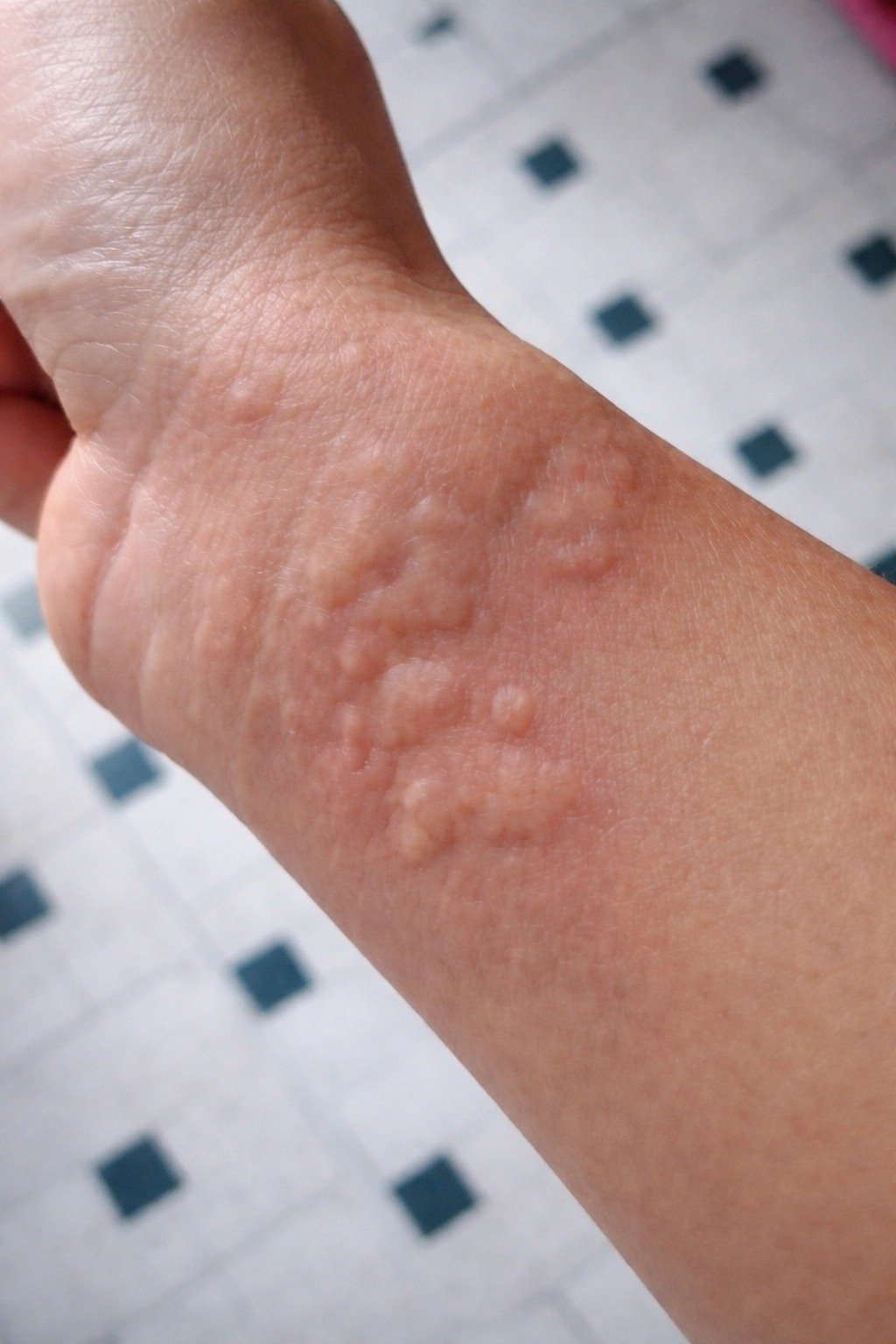
Skin reactions are often seen as minor issues, something temporary that will disappear without much concern. Many people ignore red patches, itching, or swelling, assuming they are harmless. However, when these skin symptoms appear together with difficulty breathing, the situation can become serious very quickly. What seems like a simple rash may actually be the early warning sign of a dangerous allergic reaction. In some cases, this combination can indicate a condition known as anaphylaxis, which is severe, rapid, and potentially life-threatening if not treated immediately.
The skin symptoms most commonly associated with this type of reaction are hives, also known as urticaria. These appear as raised, red or pink welts on the skin that may itch, burn, or spread quickly across different parts of the body. Hives can sometimes occur on their own and may not always be dangerous. However, their presence alongside other symptoms—especially those affecting breathing—can signal that the body is reacting on a much deeper level. The skin becomes a visible indicator of an internal response that may be escalating.
Breathing difficulty is the most critical warning sign that the situation has become an emergency. Symptoms such as shortness of breath, wheezing, tightness in the throat or chest, swelling of the lips or tongue, a rapid heartbeat, dizziness, or even fainting should never be ignored. When these symptoms occur together with hives, they suggest that the allergic reaction is affecting multiple systems in the body. At this point, immediate medical attention is essential, as the condition can worsen rapidly.
Severe allergic reactions like anaphylaxis can be triggered by a wide range of causes. Common triggers include certain foods such as peanuts, shellfish, milk, or eggs, as well as medications like antibiotics or pain relievers. Insect stings, particularly from bees or wasps, are also a frequent cause, along with latex or environmental allergens. While some individuals are aware of their allergies, others may experience such a reaction for the first time without any prior warning.
One of the greatest dangers in these situations is delay. People often underestimate the seriousness of their symptoms, thinking it is “just a rash” or something that will pass on its own. However, once breathing becomes affected, the condition can escalate quickly, potentially leading to airway blockage, shock, or loss of consciousness. Acting fast can make the difference between recovery and a life-threatening outcome.
If someone develops hives along with difficulty breathing, emergency services should be contacted immediately. If an epinephrine auto-injector, such as an EpiPen, is available, it should be used without hesitation. The person should be kept lying down and monitored closely until medical help arrives. Quick and decisive action is crucial in preventing the situation from becoming fatal.
While not all rashes are dangerous, the presence of breathing problems is the key factor that distinguishes a mild reaction from a serious one. Conditions like skin irritation or mild allergies may cause similar-looking symptoms, but they do not typically affect breathing. Recognizing this difference is essential. Ultimately, what may appear to be a simple skin issue could actually be a visible sign of a severe internal reaction. Understanding the warning signs and responding quickly can save a life.
Website Disclaimer
The information provided on this website is for general informational and educational purposes only. While we strive to ensure that all content is accurate and up to date, we make no guarantees regarding the completeness, reliability, or accuracy of any information published.
The views and opinions expressed in articles belong to their respective authors and do not necessarily reflect the views of this website. Any action you take based on the information found on this website is strictly at your own risk. We will not be liable for any losses, damages, or inconveniences arising from the use of our content.
Some articles may contain opinions, third-party information, or external links. We do not endorse or guarantee the accuracy of content on external websites and are not responsible for their practices or policies.
All content on this website is provided in good faith and is intended for informational purposes only. Readers are encouraged to verify information independently and seek professional advice where appropriate.