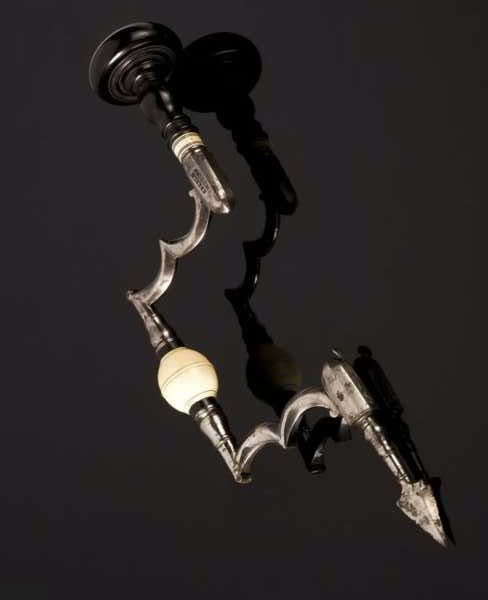
The Antique Sterling Silver Cigar Cutter: A Glimpse Into a More Elegant Era
Who doesn’t love discovering old objects they’ve never seen before and wondering what on earth they were used for? It’s one of the greatest pleasures of browsing antique shops, exploring flea market stalls, or flipping through old books filled with forgotten treasures. Sometimes, the smallest objects hold the most fascinating stories, offering a glimpse into the habits, craftsmanship, and lifestyles of people who lived generations ago.
This sterling silver cigar cutter, dating from around the turn of the 20th century, is a wonderful example of that forgotten world. Unlike the familiar scissor-style or guillotine cigar cutters commonly used today, this antique piece has a distinctive appearance that reflects the creativity and craftsmanship of an earlier era.
What Was This Unusual Object Used For?
The answer is simpler than its elegant design might suggest. It was designed to prepare a cigar for smoking.
Many cigars have a closed end, often called the cap, that must be carefully removed before smoking. A cigar cutter makes a clean opening, allowing air to pass through the cigar when the smoker draws on it. Without that small cut, enjoying the cigar properly can be difficult.
Although modern cigar cutters are often made from stainless steel or other practical materials, older examples could be fashioned from silver and decorated with intricate details. Their appearance made them more than ordinary tools; they could also serve as personal accessories and conversation pieces.
Why Sterling Silver Made It Special
Sterling silver has long been associated with quality, refinement, and luxury. Unlike inexpensive everyday accessories, a sterling silver cigar cutter required more valuable materials and skilled workmanship. Its owner might have considered it a personal possession worth keeping for years.
During the late 19th and early 20th centuries, cigar smoking was associated in some social circles with gentlemen’s clubs, business gatherings, private studies, and formal entertaining. A beautifully made cigar accessory could complement a man’s watch, pocketknife, or other personal belongings.
However, not every silver cigar cutter belonged to a wealthy collector. Some were gifts, family keepsakes, or treasured accessories passed down through generations. The material and craftsmanship provide clues about the object’s quality, but its original owner’s identity and social standing cannot be established from appearance alone.
How Is It Different From Modern Cigar Cutters?
Modern cigar cutters generally focus on efficiency and convenience. Guillotine cutters use one or two blades to remove the cigar’s cap, while cigar scissors provide a familiar cutting action. Other designs include punch cutters, which create a small circular opening rather than removing the entire cap.
Antique examples can look remarkably different because manufacturers experimented with shapes, mechanisms, decorative finishes, and precious materials. Their designs were influenced not only by function but also by the fashion and manufacturing techniques of their time.
The unusual shape of an antique cutter may therefore reveal something about the period in which it was made, although identifying its exact mechanism requires examining the object itself.
Could It Be Valuable Today?
Possibly. Antique silver cigar accessories can attract collectors interested in tobacco history, silver craftsmanship, and vintage men’s accessories. Their value depends on several factors, including the maker’s mark, silver hallmarks, age, condition, rarity, and whether the cutting mechanism remains functional.
A genuine sterling silver piece is typically made from 92.5% silver, with the remaining material consisting of other metals added for strength. Hallmarks can help establish its metal content and sometimes provide clues about where and when it was manufactured.
Before polishing an old silver object aggressively, collectors often recommend examining its markings and condition. Excessive cleaning can remove desirable patina or damage delicate details. If the piece appears particularly rare, a reputable antiques dealer or silver specialist may help establish its history and market value.
A Small Object With a Story to Tell
Perhaps the most fascinating thing about antique objects is that they preserve traces of everyday life. An item that once sat in someone’s pocket or rested on a desk may now be admired by collectors who are curious about the people who used it.
This sterling silver cigar cutter reminds us that even an ordinary activity, such as preparing a cigar, could inspire beautiful craftsmanship. Its design connects us to a time when personal accessories were often made to last, combining practical purposes with decorative appeal.
The next time you encounter an unfamiliar object at an antique market, take a closer look. What appears mysterious at first may turn out to be a clever invention, a forgotten household tool, or a small piece of history waiting to be rediscovered.
Website Disclaimer
The information provided on this website is for general informational and educational purposes only. While we strive to ensure that all content is accurate and up to date, we make no guarantees regarding the completeness, reliability, or accuracy of any information published.
The views and opinions expressed in articles belong to their respective authors and do not necessarily reflect the views of this website. Any action you take based on the information found on this website is strictly at your own risk. We will not be liable for any losses, damages, or inconveniences arising from the use of our content.
Some articles may contain opinions, third-party information, or external links. We do not endorse or guarantee the accuracy of content on external websites and are not responsible for their practices or policies.
All content on this website is provided in good faith and is intended for informational purposes only. Readers are encouraged to verify information independently and seek professional advice where appropriate.