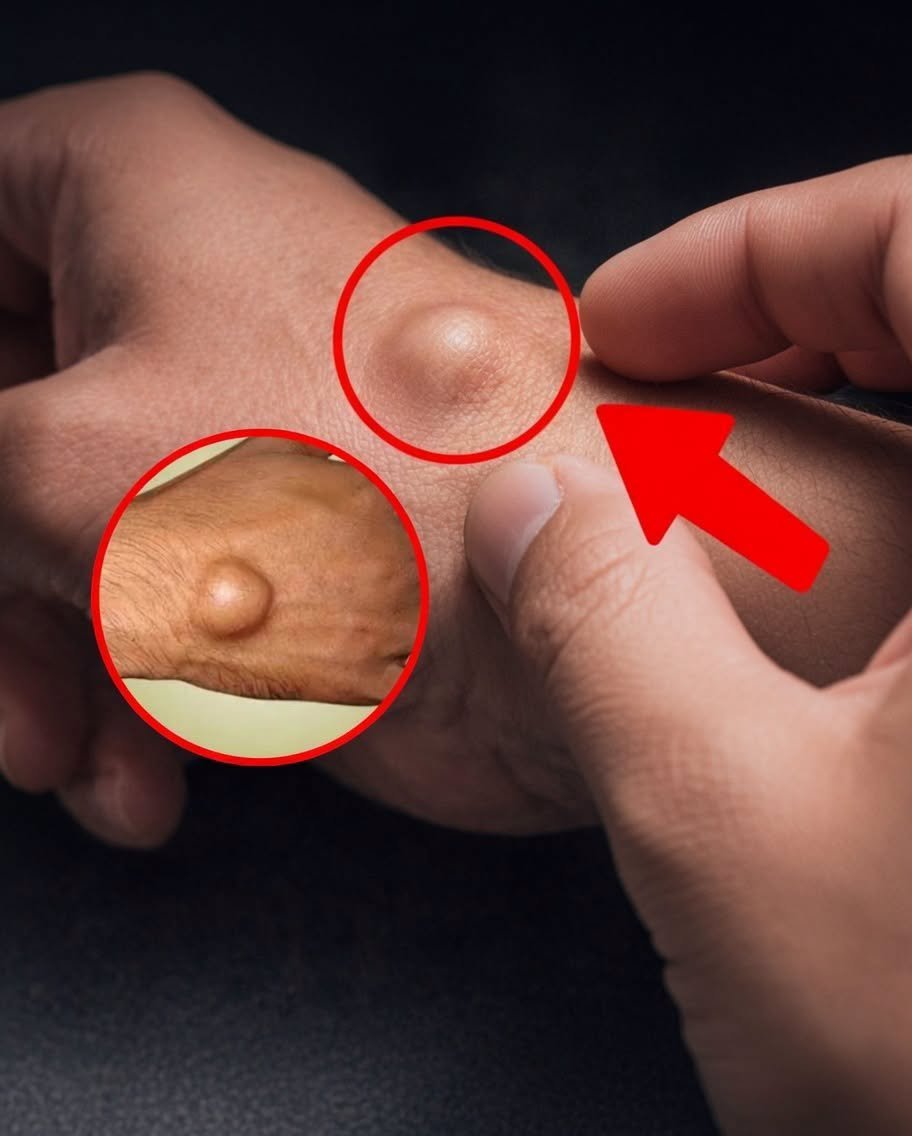
Finding a lump on your body can be unsettling, and it’s natural for your mind to jump to serious conclusions. However, most lumps are actually harmless. They are often caused by things like cysts, fatty deposits (lipomas), swollen lymph nodes, or simple infections. Still, even though most are benign, some changes in a lump can signal that it needs medical attention.
A lump that begins to grow over time is one of the first warning signs to watch. While growth doesn’t automatically mean cancer, a lump that gradually increases in size over weeks or months should always be checked by a doctor. Tracking its size or taking occasional photos can help you notice changes more clearly.
Another important sign is the texture and movement of the lump. Harmless lumps are often soft and move slightly under the skin. In contrast, a lump that feels very hard, fixed in place, or tightly attached to deeper tissue may need further evaluation, even if it isn’t painful.
Changes in the skin around the lump can also be significant. Redness that doesn’t go away, dimpling, thickening, unusual warmth, or sores that fail to heal may suggest inflammation or other underlying issues that require medical assessment rather than waiting.
You should also pay attention if the lump is accompanied by other unexplained symptoms. Things like sudden weight loss, fever, night sweats, fatigue, or general illness alongside a lump can be an important clue that something more systemic is happening in the body.
Even though these signs can sound alarming, they don’t automatically mean cancer. Many treatable conditions can cause similar symptoms. The key point is not to ignore persistent or changing lumps.
If a lump stays the same size, remains soft, and causes no other symptoms, it is often less concerning—but it should still be monitored.
Ultimately, the safest approach is simple: if a lump changes, grows, or feels unusual, get it checked early.
Website Disclaimer
The information provided on this website is for general informational and educational purposes only. While we strive to ensure that all content is accurate and up to date, we make no guarantees regarding the completeness, reliability, or accuracy of any information published.
The views and opinions expressed in articles belong to their respective authors and do not necessarily reflect the views of this website. Any action you take based on the information found on this website is strictly at your own risk. We will not be liable for any losses, damages, or inconveniences arising from the use of our content.
Some articles may contain opinions, third-party information, or external links. We do not endorse or guarantee the accuracy of content on external websites and are not responsible for their practices or policies.
All content on this website is provided in good faith and is intended for informational purposes only. Readers are encouraged to verify information independently and seek professional advice where appropriate.