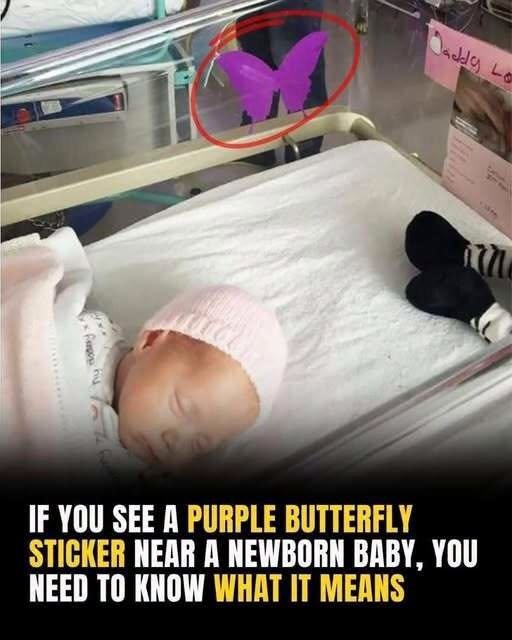
Millie Smith and Lewis Cann were overjoyed when they discovered they were expecting twins. Their happiness changed when doctors found that one of their babies, whom they named Skye, had anencephaly, a fatal condition in which much of the brain and skull does not develop properly.
Despite knowing their daughter would have only a short life, Millie and Lewis treasured every moment with her. Skye was born alongside her twin and lived for just three precious hours. Although her time was brief, she became an important part of their family and their hearts.
After Skye died, Millie noticed something painful happening around her. People often spoke to her as though she had only ever had one baby. Others avoided mentioning Skye altogether, perhaps because they didn’t know what to say. Instead of making Millie feel better, the silence made her feel as though her daughter had been forgotten.
One day, another parent casually told Millie she was “lucky not to have twins,” unaware that she had actually given birth to twins and lost one of them. The innocent comment devastated her and showed Millie how invisible the grief of parents who lose one baby from a multiple pregnancy can become.
That experience inspired Millie to create a simple purple butterfly symbol. The sticker could be placed on an incubator or hospital space to quietly indicate that a baby from a set of multiples had died. Purple was chosen because it could represent babies of any gender.
The symbol offered grieving parents something they desperately needed: recognition. Instead of having to explain their loss repeatedly, the butterfly could communicate that there was another baby whose life mattered and whose absence was deeply felt.
Millie’s idea eventually grew beyond her own experience and became connected with the Skye High Foundation, helping spread awareness and compassion for families experiencing similar losses. The purple butterfly became a gentle reminder that even a life lasting only a few hours can leave an enormous and lasting impact.
Skye’s life was tragically short, but her memory helped create something meaningful for countless other families. Today, the purple butterfly represents remembrance, compassion, and the understanding that when one baby from a set of multiples is lost, that child remains a loved and important part of the family’s story.
Website Disclaimer
The information provided on this website is for general informational and educational purposes only. While we strive to ensure that all content is accurate and up to date, we make no guarantees regarding the completeness, reliability, or accuracy of any information published.
The views and opinions expressed in articles belong to their respective authors and do not necessarily reflect the views of this website. Any action you take based on the information found on this website is strictly at your own risk. We will not be liable for any losses, damages, or inconveniences arising from the use of our content.
Some articles may contain opinions, third-party information, or external links. We do not endorse or guarantee the accuracy of content on external websites and are not responsible for their practices or policies.
All content on this website is provided in good faith and is intended for informational purposes only. Readers are encouraged to verify information independently and seek professional advice where appropriate.