“We’re all flawed. Everybody’s flawed. No one wants to watch a show about a bunch of perfect people.”
That simple observation from Michelle Morgan may explain the lasting appeal of Heartland better than any ratings report or anniversary celebration ever could.
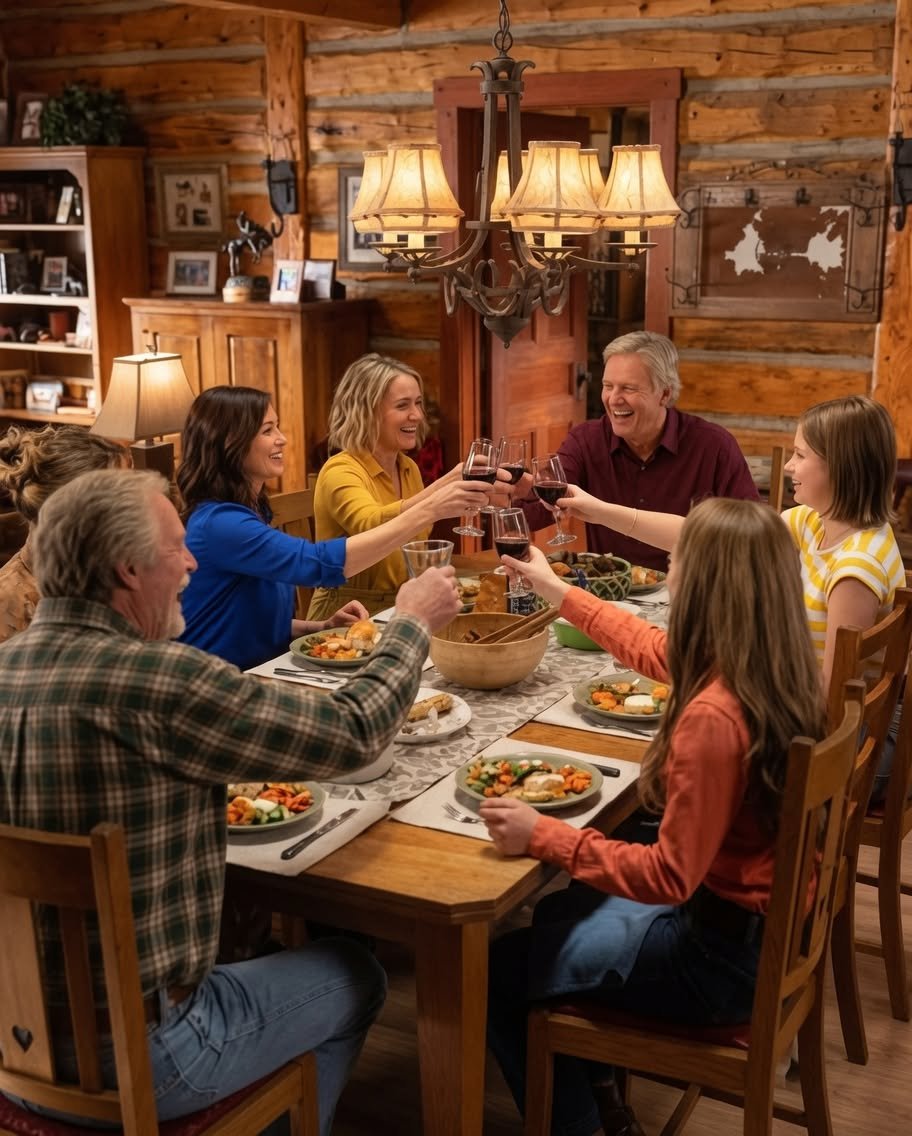
For years, audiences have returned to Heartland Ranch not because the people living there always make the right decisions, but because they often do not.
They argue.
They misunderstand one another.
They become afraid, impatient, stubborn, or overly confident.
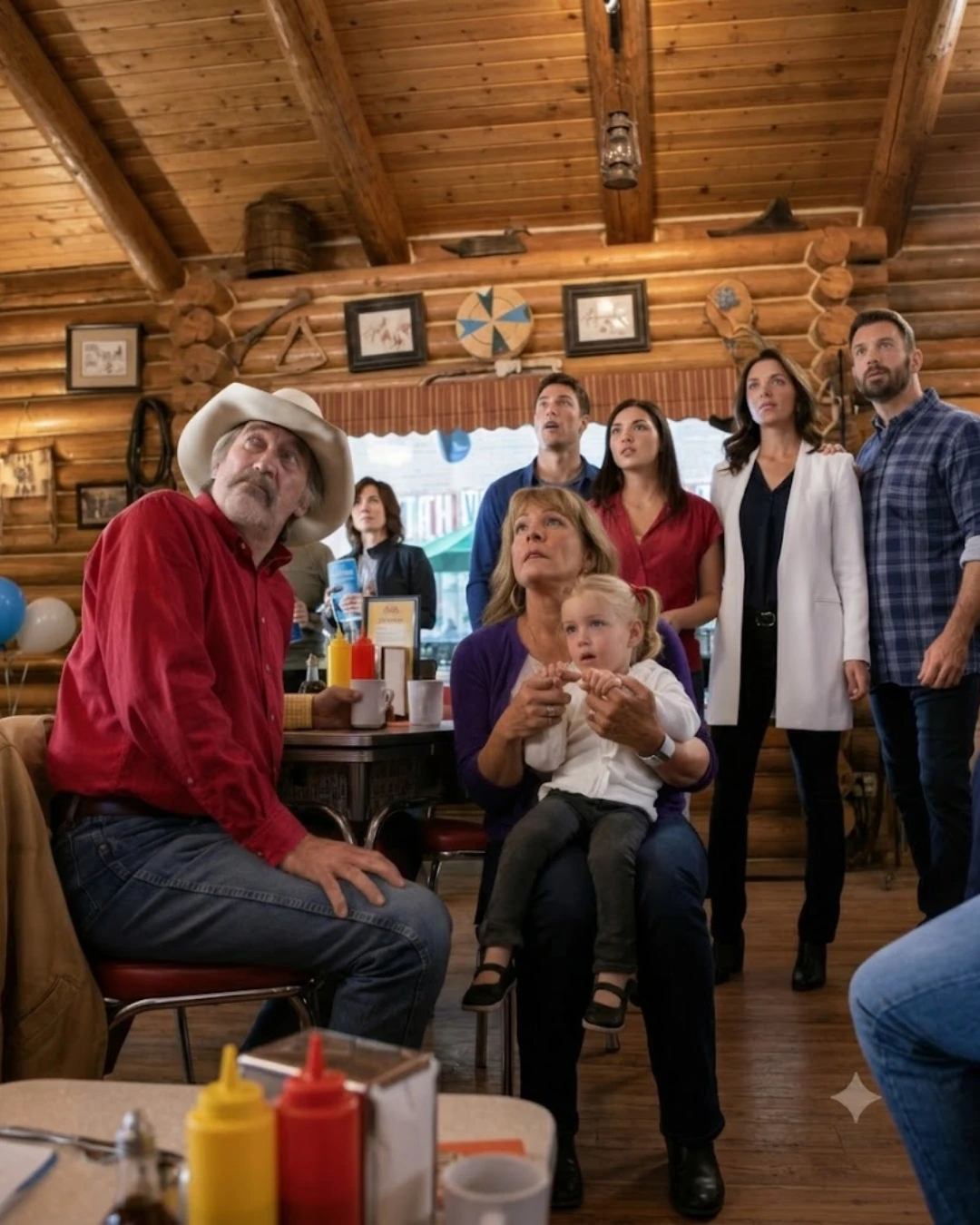
They make choices they later regret.
Yet they continue trying to repair what was damaged, protect the people they love, and find their way back to one another.
That emotional honesty is what makes the series feel less like a polished television fantasy and more like a family viewers might actually know.
Michelle Morgan has understood that truth from the beginning.
As Lou Fleming, she has played one of the show’s most ambitious, energetic, and complicated characters. Lou frequently enters a situation believing she already knows the best solution. She makes plans, creates schedules, launches new projects, and tries to organize problems that cannot always be controlled.
Sometimes her determination saves the day.
Sometimes it creates an entirely new problem.
That contradiction is exactly what makes her relatable.
Lou loves her family deeply, but she does not always express that love in the gentlest way. Her concern may sound like criticism. Her desire to help can become pressure. Her fear of losing control often pushes her to take charge before she has listened to what everyone else needs.
Viewers may become frustrated with her choices, but they usually understand where those choices come from.
Lou is not trying to hurt the people around her. She is trying to protect them, protect the ranch, and prove that she is capable of carrying every responsibility placed in front of her.
Her flaws are often connected to her strengths.
The same ambition that makes her demanding also helps her create opportunities.
The same stubbornness that causes arguments gives her the courage to keep going when others would quit.
The same need for control that creates tension is often rooted in a deep fear that the people and places she loves could disappear.
Michelle has allowed all of those qualities to exist together.
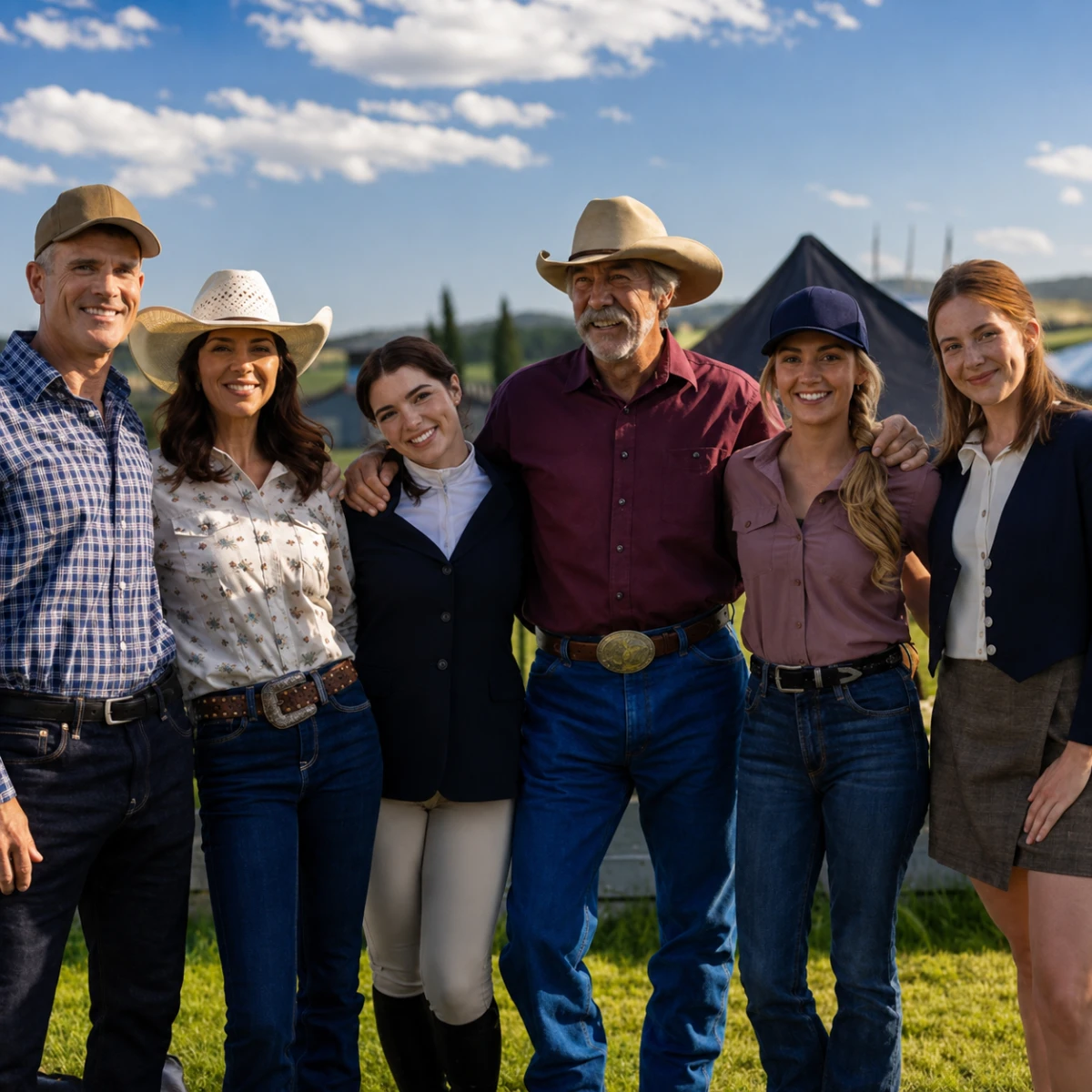
She never plays Lou as a simple hero or an irritating obstacle. Instead, she reveals the woman beneath every carefully prepared plan—the daughter, sister, mother, and partner who wants to be needed but sometimes worries that she is not truly understood.
That emotional complexity is one reason families around the world continue watching Heartland.
The conflicts at the ranch may involve horses, businesses, land, or riding competitions, but the feelings underneath them are universal.
Parents worry that their children are making the wrong choices.
Sisters love each other while struggling to communicate.
Older generations try to protect traditions, while younger people want the freedom to build something new.
People leave home, return changed, and discover that rebuilding trust takes more than one conversation.
These experiences cross cultural and geographical boundaries.
A viewer does not need to live in Alberta or understand ranch work to recognize the fear of disappointing a parent, the pressure of balancing work and family, or the pain of realizing that love cannot prevent every mistake.
The horses and landscapes give Heartland its visual identity, but the imperfect people give it emotional meaning.
The series also offers something increasingly rare: room for characters to breathe.
Not every episode depends on a shocking revelation or explosive confrontation. Some of the most memorable scenes unfold around the kitchen table, beside the barn, or during a quiet drive home.
A character may need time to admit they were wrong.
Another may struggle to say what they truly feel.
The story allows small moments to matter because real relationships are built through small moments.
Michelle’s description of flawed characters also helps explain the show’s remarkable longevity.
Perfect characters have nowhere to grow.
If Lou always made the best decision, Amy never doubted herself, Jack never resisted change, and Tim never repeated old mistakes, there would be little reason to keep watching.
But imperfection creates possibility.
A character who fails can learn.
Someone who damages trust can try to rebuild it.
A person who once behaved selfishly can become more compassionate without becoming completely different overnight.
That gradual development makes the characters feel alive.
Lou has grown across the seasons, but she has not lost the qualities that make her Lou. She still has strong opinions, bold plans, and a tendency to push too hard. The difference is that experience has taught her to recognize the cost of those choices more clearly.
Growth does not mean becoming flawless.
It means becoming more honest about your flaws and more responsible for their consequences.
Michelle’s own creative journey also reflects the importance of growth.
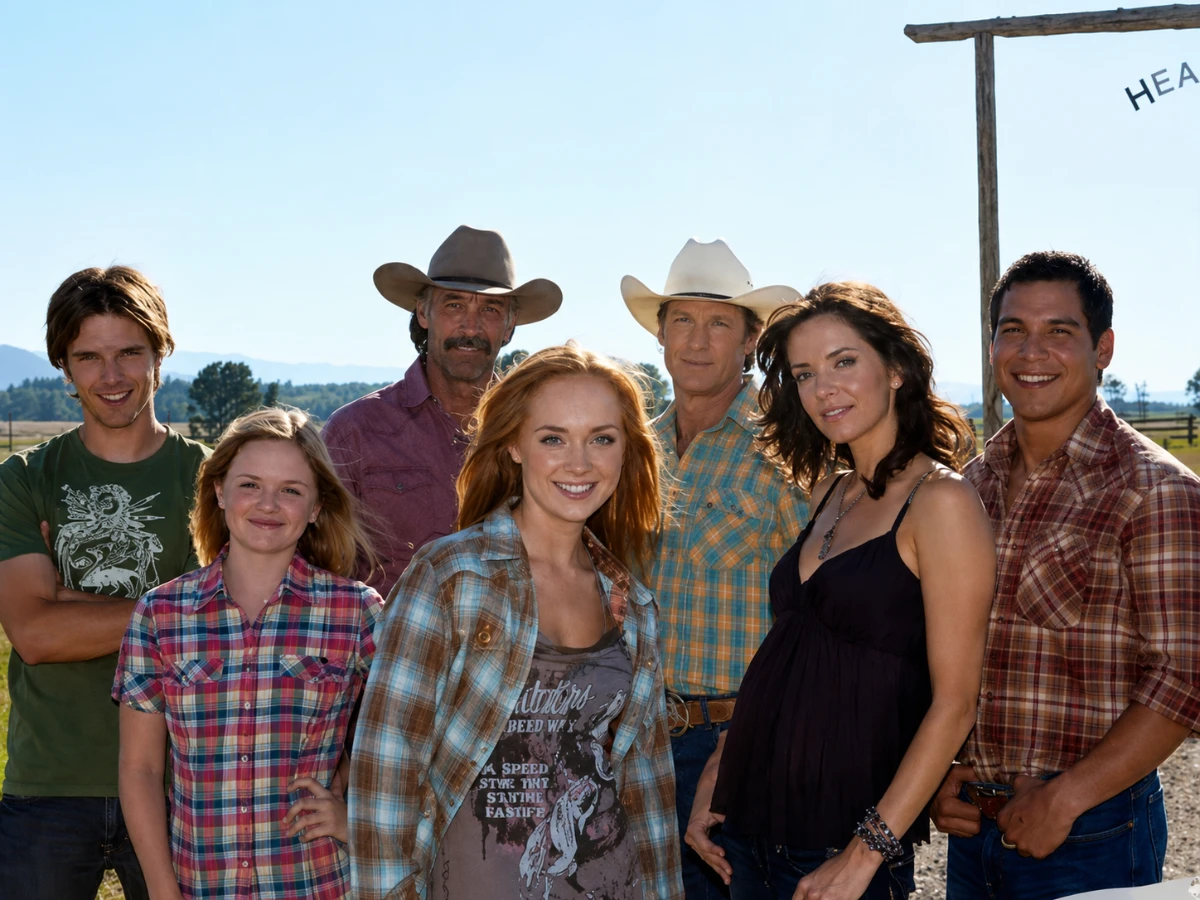
Beyond portraying Lou, she has taken on opportunities behind the camera and expanded the ways she contributes to storytelling. That step requires a different kind of confidence and responsibility.
An actor focuses primarily on one character’s emotional truth. A director must consider the entire scene—the performances, visual choices, rhythm, atmosphere, and work of every production department.
Moving into that role demonstrates a willingness to take risks rather than remain comfortable inside a familiar success.
Her interests also extend beyond the ranch and the screen.
Michelle has spoken about issues affecting women and the importance of using visibility to support meaningful causes. That work adds another dimension to the strength viewers associate with her.
Lou Fleming may be fictional, but Michelle’s desire to encourage, represent, and support women exists in the real world.
That does not mean she and Lou are the same person.
It means that both understand the value of using determination for something larger than personal success.
Perhaps this is why Heartland has become more than entertainment for many viewers.
It provides comfort without pretending that life is always comfortable.
It celebrates family without presenting families as endlessly peaceful.
It offers hope without suggesting that every wound disappears quickly.
The characters remain lovable because they are imperfect, not in spite of it.
They remind viewers that making a mistake does not remove someone’s value.
A difficult conversation does not automatically end a relationship.
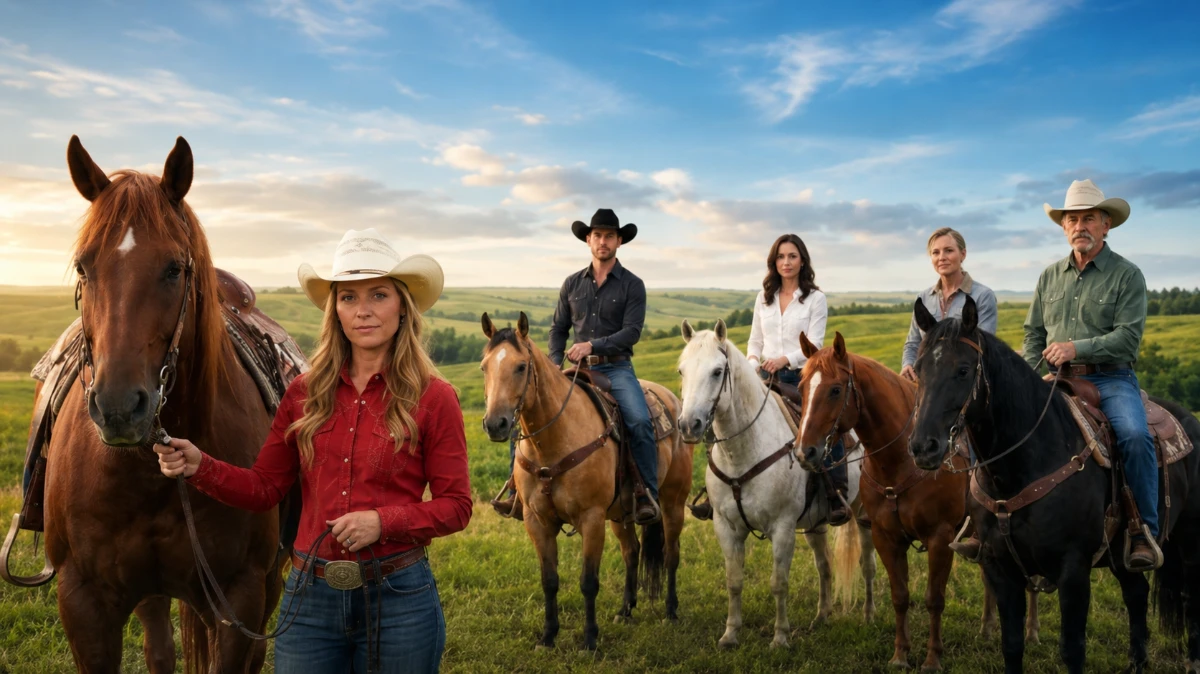
And a family can be messy, frustrating, and deeply loving at the same time.
Michelle Morgan’s words capture the truth at the center of the series.
We do not need perfect people on screen.
We need people who fail, grow, forgive, and keep showing up.
That is what Lou Fleming has done from the beginning.
It is what the entire Bartlett-Fleming family continues to do.
And it is why, after so many years, Heartland Ranch still feels like a place viewers can return to when they need honesty, comfort, and the reassuring reminder that nobody has to be perfect to deserve a place at the table.
Website Disclaimer
The information provided on this website is for general informational and educational purposes only. While we strive to ensure that all content is accurate and up to date, we make no guarantees regarding the completeness, reliability, or accuracy of any information published.
The views and opinions expressed in articles belong to their respective authors and do not necessarily reflect the views of this website. Any action you take based on the information found on this website is strictly at your own risk. We will not be liable for any losses, damages, or inconveniences arising from the use of our content.
Some articles may contain opinions, third-party information, or external links. We do not endorse or guarantee the accuracy of content on external websites and are not responsible for their practices or policies.
All content on this website is provided in good faith and is intended for informational purposes only. Readers are encouraged to verify information independently and seek professional advice where appropriate.