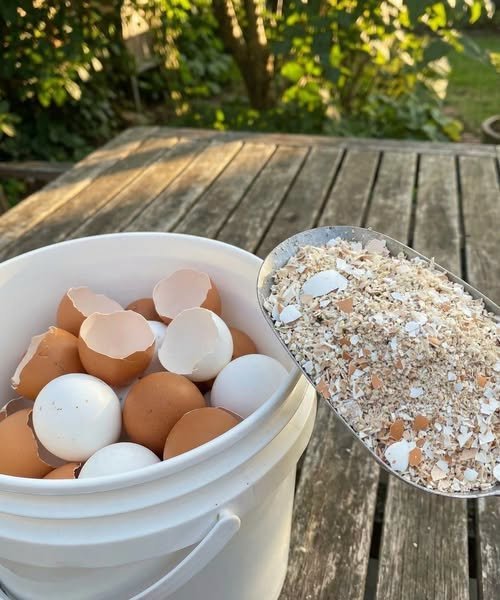
Eggshells are commonly thrown away after cooking, but with a little preparation they can become a useful addition to everyday household routines. Rich in naturally occurring calcium and surprisingly durable, eggshells can be repurposed for a variety of practical tasks around the home and garden. Reusing them is an easy way to reduce kitchen waste while making use of a resource that would otherwise end up in the trash. Best of all, preparing eggshells requires only a few simple steps and no specialized equipment. Whether you’re interested in gardening, composting, or eco-friendly cleaning, properly prepared eggshells can provide a convenient and budget-friendly alternative to some disposable household products.
Before using eggshells for any purpose, it is important to clean and sanitize them thoroughly. Begin by rinsing each shell under running water to remove any remaining egg white or membrane. Once cleaned, place the shells in a pot of water and bring them to a gentle boil for approximately 10 to 15 minutes. This process helps sanitize the shells before reuse. After boiling, carefully drain the water and spread the shells on a clean towel or baking sheet to dry completely. Allowing them to air dry thoroughly helps prevent moisture from remaining inside the shells during storage. Once fully dry, store the eggshells in a sealed container until you are ready to crush, grind, or use them for your preferred household projects. Keeping them dry also makes them much easier to break into the desired consistency.
Prepared eggshells have several practical applications throughout the home and garden. In gardening, crushed shells can be mixed into compost or incorporated into soil as part of a balanced composting routine. Some gardeners also place coarsely crushed shells around certain plants as a physical barrier that may discourage some crawling garden pests. Eggshell halves can also serve as small biodegradable containers for starting herb, vegetable, or flower seedlings before transplanting them into the garden. Around the house, finely crushed eggshells combined with warm soapy water can create a gentle scrubbing mixture suitable for cleaning sturdy cookware, pots, pans, and certain sink surfaces. Because the shells naturally break down over time, they offer an environmentally friendly option for people looking to reduce the use of disposable cleaning materials and minimize household waste.
Although eggshells can be helpful for many practical purposes, it is important to use them appropriately and maintain realistic expectations. They should not be viewed as a substitute for professional medical advice, prescribed supplements, or specialized gardening products when those are needed. Likewise, because crushed shells can be mildly abrasive, they should be tested carefully before using them on delicate finishes or sensitive surfaces. When used thoughtfully, however, eggshells can become a valuable part of a low-waste lifestyle by extending the usefulness of an everyday kitchen item. With only a few minutes of preparation and a little creativity, something often discarded can become a practical resource that supports gardening, household organization, and environmentally conscious living while helping reduce unnecessary waste in a simple and sustainable way
Website Disclaimer
The information provided on this website is for general informational and educational purposes only. While we strive to ensure that all content is accurate and up to date, we make no guarantees regarding the completeness, reliability, or accuracy of any information published.
The views and opinions expressed in articles belong to their respective authors and do not necessarily reflect the views of this website. Any action you take based on the information found on this website is strictly at your own risk. We will not be liable for any losses, damages, or inconveniences arising from the use of our content.
Some articles may contain opinions, third-party information, or external links. We do not endorse or guarantee the accuracy of content on external websites and are not responsible for their practices or policies.
All content on this website is provided in good faith and is intended for informational purposes only. Readers are encouraged to verify information independently and seek professional advice where appropriate.