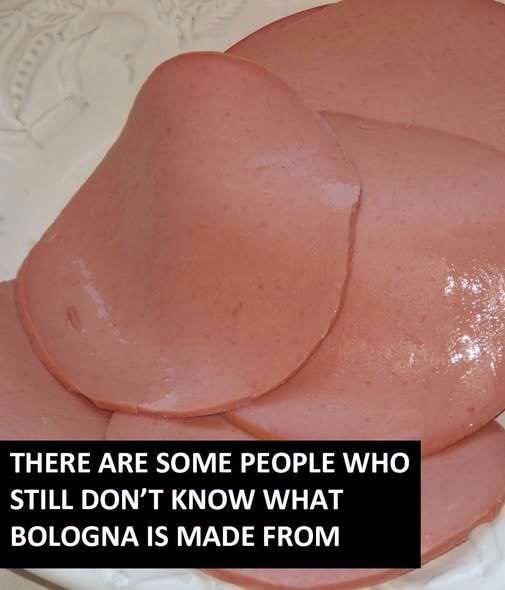
Bologna hides a story most people never stop to question. It shows up in lunchboxes and quick sandwiches, often joked about as “mystery meat,” yet it remains a familiar and widely consumed food.
Despite its reputation, bologna is not a random mixture of scraps. It is a carefully produced product with roots in traditional sausage-making methods that date back centuries.
Modern bologna is typically made from beef, pork, chicken, or a blend of these meats. The ingredients are finely ground and emulsified into a smooth texture before being cooked and sometimes smoked.
This process creates the uniform, soft slices people recognize. The consistency is intentional, designed for affordability, shelf stability, and ease of use in everyday meals.
Contrary to popular myths, strict food regulations in the United States limit what can be included. Most commercially produced bologna uses standard cuts of meat and fat rather than the extreme ingredients often imagined.
Its origins trace back to mortadella, a traditional sausage from Italy. Mortadella is more textured, often containing visible fat cubes, spices, and sometimes pistachios.
American bologna evolved from this tradition but became more standardized. The focus shifted toward consistency, mild flavor, and mass production rather than artisanal variation.
In the end, bologna is neither a gourmet delicacy nor a hidden horror. It is a processed, regulated food with historical roots—simple, familiar, and shaped by both tradition and modern industry.
Website Disclaimer
The information provided on this website is for general informational and educational purposes only. While we strive to ensure that all content is accurate and up to date, we make no guarantees regarding the completeness, reliability, or accuracy of any information published.
The views and opinions expressed in articles belong to their respective authors and do not necessarily reflect the views of this website. Any action you take based on the information found on this website is strictly at your own risk. We will not be liable for any losses, damages, or inconveniences arising from the use of our content.
Some articles may contain opinions, third-party information, or external links. We do not endorse or guarantee the accuracy of content on external websites and are not responsible for their practices or policies.
All content on this website is provided in good faith and is intended for informational purposes only. Readers are encouraged to verify information independently and seek professional advice where appropriate.