Health Secretary Robert F. Kennedy Jr. is back in the headlines—this time for reviving one of his most controversial claims: that the common painkiller Tylenol could be linked to autism. In a recent meeting with Donald Trump and Cabinet members, Kennedy repeated the theory, admitting there’s no medical proof but insisting new studies are underway.
Just weeks earlier, Trump and Kennedy hinted at a supposed “breakthrough,” suggesting pregnant women who take painkillers might raise autism risk in their babies. Scientists swiftly refuted the claim, emphasizing there is no evidence of any causal link between acetaminophen and autism.
Tylenol’s manufacturer publicly rejected the allegations, and the National Autistic Society condemned the comments as dangerous and anti-science. Critics, including former president Barack Obama, warned that promoting unproven medical ideas could undermine public health.
At the Cabinet meeting, Kennedy doubled down, saying, “Anybody who takes the stuff during pregnancy unless they have to is irresponsible.” He admitted there was no proof yet but claimed research would soon provide it.
Kennedy also drew ridicule for a basic anatomy error, referring to a woman “gobbling Tylenol with a baby in her placenta.” Babies develop in the uterus, not the placenta. He blamed her behavior on “Trump derangement syndrome.”
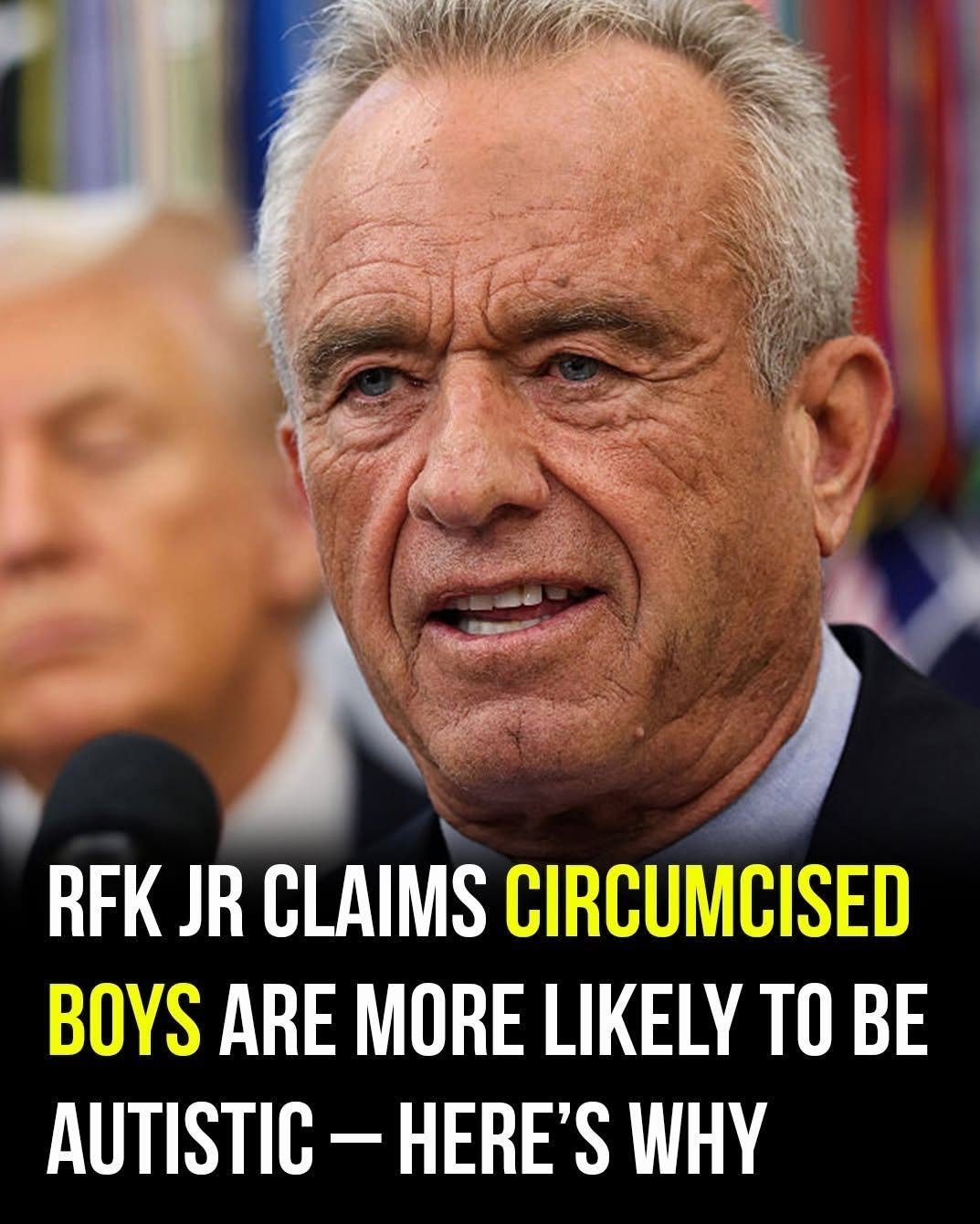
He further resurfaced an older claim linking infant circumcision to higher autism rates, arguing the connection came from babies receiving Tylenol afterward. The idea misrepresents a 2015 Danish study that showed only a correlation, not causation, and included no data on painkiller use.
Researchers behind that study explicitly warned against such interpretations, noting that correlation does not equal causation.
Kennedy’s persistence has reignited fierce debate over whether public officials should face consequences for spreading unproven medical theories—or whether such remarks fall under free speech.
Website Disclaimer
The information provided on this website is for general informational and educational purposes only. While we strive to ensure that all content is accurate and up to date, we make no guarantees regarding the completeness, reliability, or accuracy of any information published.
The views and opinions expressed in articles belong to their respective authors and do not necessarily reflect the views of this website. Any action you take based on the information found on this website is strictly at your own risk. We will not be liable for any losses, damages, or inconveniences arising from the use of our content.
Some articles may contain opinions, third-party information, or external links. We do not endorse or guarantee the accuracy of content on external websites and are not responsible for their practices or policies.
All content on this website is provided in good faith and is intended for informational purposes only. Readers are encouraged to verify information independently and seek professional advice where appropriate.